
Read Time:8 Minute, 12 Second
In the ever-evolving landscape of mobile technology, the Google Pixel 10 series is setting a new precedent with its groundbreaking feature: enabling WhatsApp voice and video calls via satellite. This innovation transcends traditional boundaries, allowing users to maintain connectivity in areas previously deemed unreachable by conventional networks. As you explore this cutting-edge development, envision a world where being off the grid no longer equates to being out of touch. This advancement not only highlights the Pixel 10’s technological prowess but also redefines the standard for mobile communication, ushering in an era where connectivity knows no bounds.
Breakthrough in Mobile Communications: WhatsApp Satellite Calling on Pixel 10
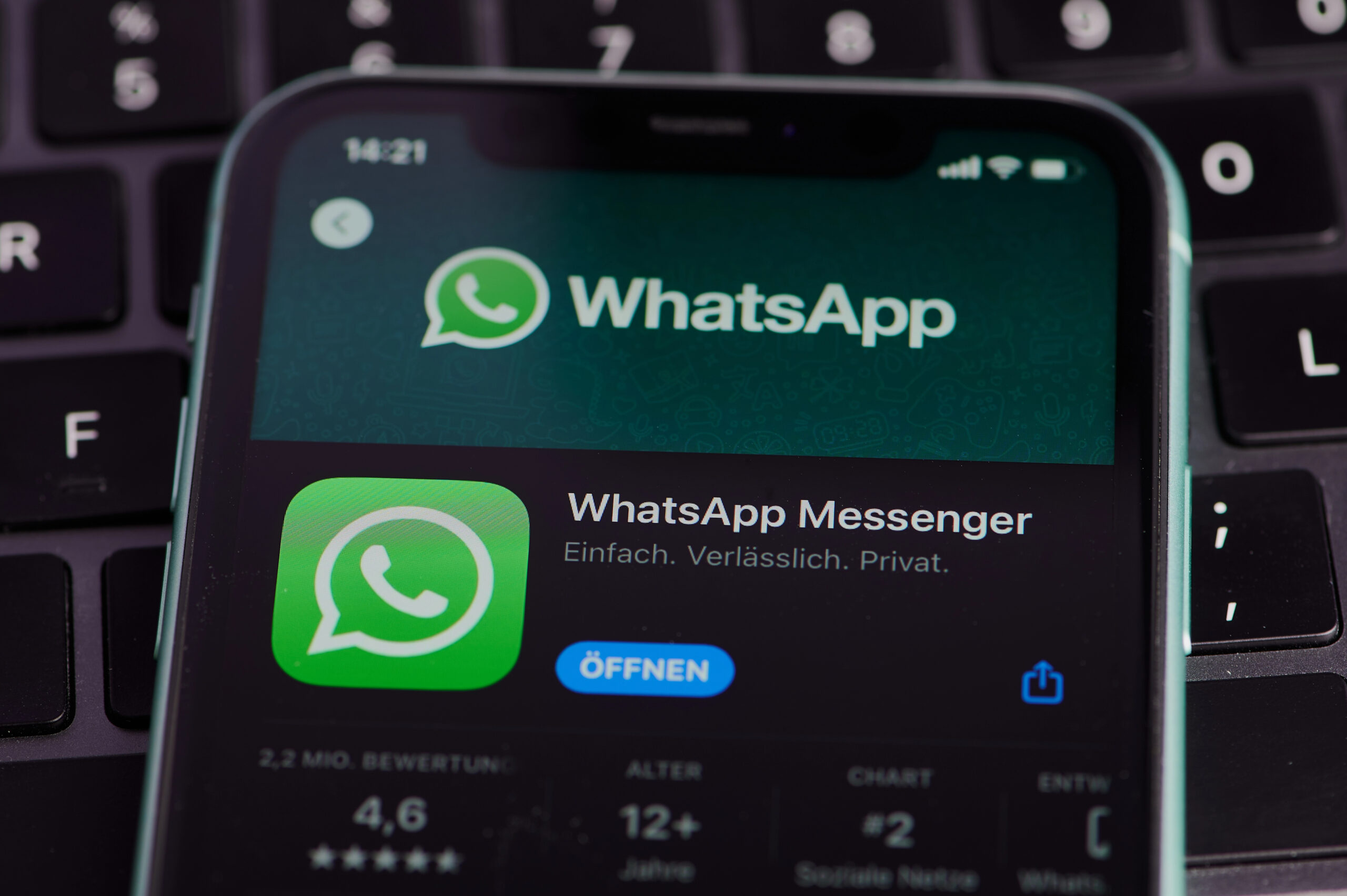
Revolutionizing Remote Communication
The introduction of WhatsApp satellite calling on the Pixel 10 marks a significant evolution in mobile communication. Traditionally, satellite technology has been reserved for emergency services or for sending basic text messages in remote areas. However, the Pixel 10 has redefined its potential by integrating it into everyday applications. This advancement allows users to remain connected even in the most isolated locations, turning what was once a lifeline into a functional communication tool. Imagine adventurers in the wilderness, researchers in distant outposts, or travelers in remote regions—each can now enjoy seamless communication through voice and video calls without relying on traditional mobile networks or Wi-Fi.
Seamless Integration and User Experience
What truly sets this innovation apart is its seamless integration with the WhatsApp app. Users will notice a satellite icon in the status bar, indicating when they are connected via satellite. This user-friendly feature ensures that making and receiving calls remains intuitive and straightforward, regardless of the underlying technology. The Pixel 10’s design prioritizes user experience, ensuring that the shift from terrestrial to satellite connectivity is imperceptible to the user, except for the enhanced reliability and reach it offers.
Industry Impact and Future Prospects
This development places the Pixel 10 at the forefront of mobile innovation, outpacing competitors like Apple and Samsung, whose satellite functionalities remain limited. By transforming satellite communication from an emergency-only tool to a key feature of daily connectivity, Google sets a new standard in the industry. While current capabilities focus on calls, future expansions might include extending satellite support to text messaging, further solidifying its role as a pivotal feature in mobile technology advancements.
How the Pixel 10’s Satellite Feature Transforms Remote Communication
Revolutionizing Connectivity in Unreachable Areas
The Google Pixel 10’s satellite-enabled WhatsApp calling introduces a paradigm shift in how we perceive communication in remote areas. Previously, those venturing into off-grid locations had to rely on traditional satellite phones, which were often cumbersome and expensive. Now, with this cutting-edge feature, users can experience seamless voice and video communication through WhatsApp, a platform already familiar to millions. This innovation eradicates the previous barriers, allowing for effortless connectivity without the need for cellular networks or Wi-Fi, provided there is a clear satellite signal.
Enhancing Safety and Accessibility
This new capability isn’t just about convenience—it’s also a crucial upgrade for ensuring safety and accessibility. For individuals who frequently travel to remote locations for work or leisure, being able to stay connected with loved ones and colleagues can be life-saving. In unpredictable environments, this feature ensures that users can maintain contact in case of emergencies, without being solely dependent on traditional mobile networks. The ability to make voice calls over satellite elevates personal safety and offers peace of mind, knowing that help is just a call away, even in the most isolated places.
Bridging the Gap for Global Communication
The introduction of satellite-supported WhatsApp calls on the Pixel 10 marks a significant step forward in bridging the communication gap for global users. It democratizes access to information and connection, allowing individuals in rural or underdeveloped regions to join the global conversation. By modernizing satellite technology into a practical communications tool, Google has set a new benchmark for mobile innovation, potentially inspiring other tech giants to follow suit. This evolution not only promises enhanced personal connectivity but also fosters a more inclusive digital landscape.
Comparing Google Pixel 10 and Competitors: Advancing Beyond SOS Alerts
Enhanced Connectivity: Pixel 10’s Leap Forward
The Google Pixel 10 series has redefined satellite communication by enabling WhatsApp voice and video calls beyond traditional SOS alerts. This innovation places it a step ahead of competitors like Apple and Samsung, whose satellite features are limited to emergency scenarios and basic messaging. Pixel 10 transforms satellite technology into a practical tool for everyday connectivity, providing a lifeline for users in remote or off-grid areas.
Apple and Samsung’s Current Offerings
Apple’s satellite functionality, featured in their latest devices, focuses primarily on emergency services. Their system allows users to send distress signals when outside cellular reach, ensuring safety but limiting user interaction to critical situations. Similarly, Samsung offers basic satellite messaging, useful for staying in touch during adverse conditions but lacking the versatility for broader communication needs.
The Practical Edge of Pixel 10
With the Pixel 10, Google has broadened the scope of satellite utility. By integrating this technology into WhatsApp, users can maintain regular contact without depending on traditional networks or Wi-Fi. This capability is particularly beneficial for those working or traveling in isolated regions, providing seamless communication that was once unattainable. The potential expansion to incorporate text messaging could further cement Pixel 10’s position as a leader in satellite-enabled communication.
Future Directions and Considerations
While Google’s innovation is promising, its potential hinges on carrier partnerships and cost structures. Users may face additional charges, and service availability will vary based on local partnerships. Nonetheless, Pixel 10’s groundbreaking approach could inspire other tech giants to expand their satellite communication offerings, fostering a competitive landscape that pushes boundaries in mobile technology.
What to Expect: Costs and Carrier Partnerships for Satellite Calling
Understanding Carrier Partnerships
As the Pixel 10 series pioneers satellite calling via WhatsApp, one of the pivotal aspects to consider is the role of carrier partnerships. These collaborations are crucial for the implementation and accessibility of satellite communication services. Different regions may have varying levels of carrier support, which can influence the availability and functionality of the satellite calling feature. It’s essential to stay informed about which local carriers are offering support for this technology to fully harness its potential.
Carrier partnerships often define the scope of satellite service coverage. For instance, some regions might have robust partnerships enabling seamless connectivity, while others may face limitations until agreements are solidified. This underscores the importance of checking with your carrier to understand the specifics of their partnership with Google for activating satellite services on your Pixel 10.
Potential Costs and Considerations
While the innovation of satellite calling adds tremendous value, it is accompanied by considerations regarding costs. Satellite connectivity generally incurs additional charges compared to standard cellular services. These costs can vary based on the carrier and the specific satellite service agreements they hold. It’s advisable to review any potential fees associated with satellite calls through WhatsApp to avoid unexpected expenses.
Moreover, the pricing model may differ depending on your usage plan. Some carriers might offer bundled packages that include a certain number of satellite calls, while others might charge on a per-use basis. Being aware of these pricing structures will help you make informed decisions about using the satellite calling feature without incurring unnecessary costs.
By keeping abreast of both carrier partnerships and potential costs, users can better prepare themselves for integrating satellite calling into their Pixel 10 experience, ensuring seamless, cost-effective connectivity even in the most remote locations.
Future of Connectivity: Potential Expansion to WhatsApp Text Messaging
Exploring the Possibility
As satellite calling features take center stage with the Google Pixel 10, the conversation inevitably shifts to whether text messaging will follow suit. Enabling WhatsApp text messages via satellite could revolutionize communication in ways we’ve only imagined. The primary allure of such a development is undeniable—opening the door for seamless, global connectivity without relying on traditional mobile data networks or Wi-Fi. In essence, it could bring continuous, reliable communication to even the most isolated corners of the earth, further bridging the digital divide.
Technological Considerations
Transitioning from voice and video calls to text messaging poses its own set of technological challenges. Unlike voice data, text messaging requires a different data packet structure and management. Developers must consider the complexity of delivering text messages across satellites, ensuring that latency and message accuracy remain within acceptable parameters. Additionally, the integration of these capabilities into existing platforms like WhatsApp will require substantial collaboration between satellite service providers and app developers to maintain service quality and reliability.
Market and User Impact
The potential expansion to text messaging can significantly impact both the market and users. For users, particularly those in remote or underserved regions, this shift could mean accessibility to a range of services previously out of reach. Emergency services, healthcare advice, and educational resources could be accessible through simple text messages. On the market side, tech companies may find new opportunities in developing satellite-driven apps, spurring innovation and competition. Companies will need to carefully consider pricing models and partnerships to balance profitability with accessibility, ensuring that these advanced features remain inclusive.
Key Highlights
In conclusion, the introduction of satellite calling on the Pixel 10 through WhatsApp not only elevates the functionality of mobile communication but also redefines connectivity standards for users worldwide. As you navigate through this new landscape of possibilities, the Pixel 10 stands as a testament to technological advancement, offering you the freedom to remain connected even in the most isolated corners of the globe. While challenges in availability and cost persist, this pioneering step toward mainstream satellite communication signals a promising future. Embrace this new era where boundaries are blurred, and the world becomes an even smaller, more connected place.

Happy
0 %

Sad
0 %

Excited
0 %

Sleepy
0 %

Angry
0 %

Surprise
0 %

