
Read Time:8 Minute, 15 Second
As you explore cutting-edge technology, the unveiling of FugakuNEXT represents a major milestone in high-performance computing. Developed by RIKEN alongside Fujitsu and NVIDIA, this next-generation supercomputer aims to redefine computational limits. Scheduled for deployment by 2030, FugakuNEXT will be Japan’s first system integrating GPU accelerators with Arm-based CPUs. Consequently, it promises unmatched performance and efficiency. Moreover, this ambitious project underscores Japan’s technological leadership. In addition, it paves the way for breakthroughs in climate science, artificial intelligence, and other advanced fields.
The Vision Behind FugakuNEXT: Japan’s Zettascale Supercomputer
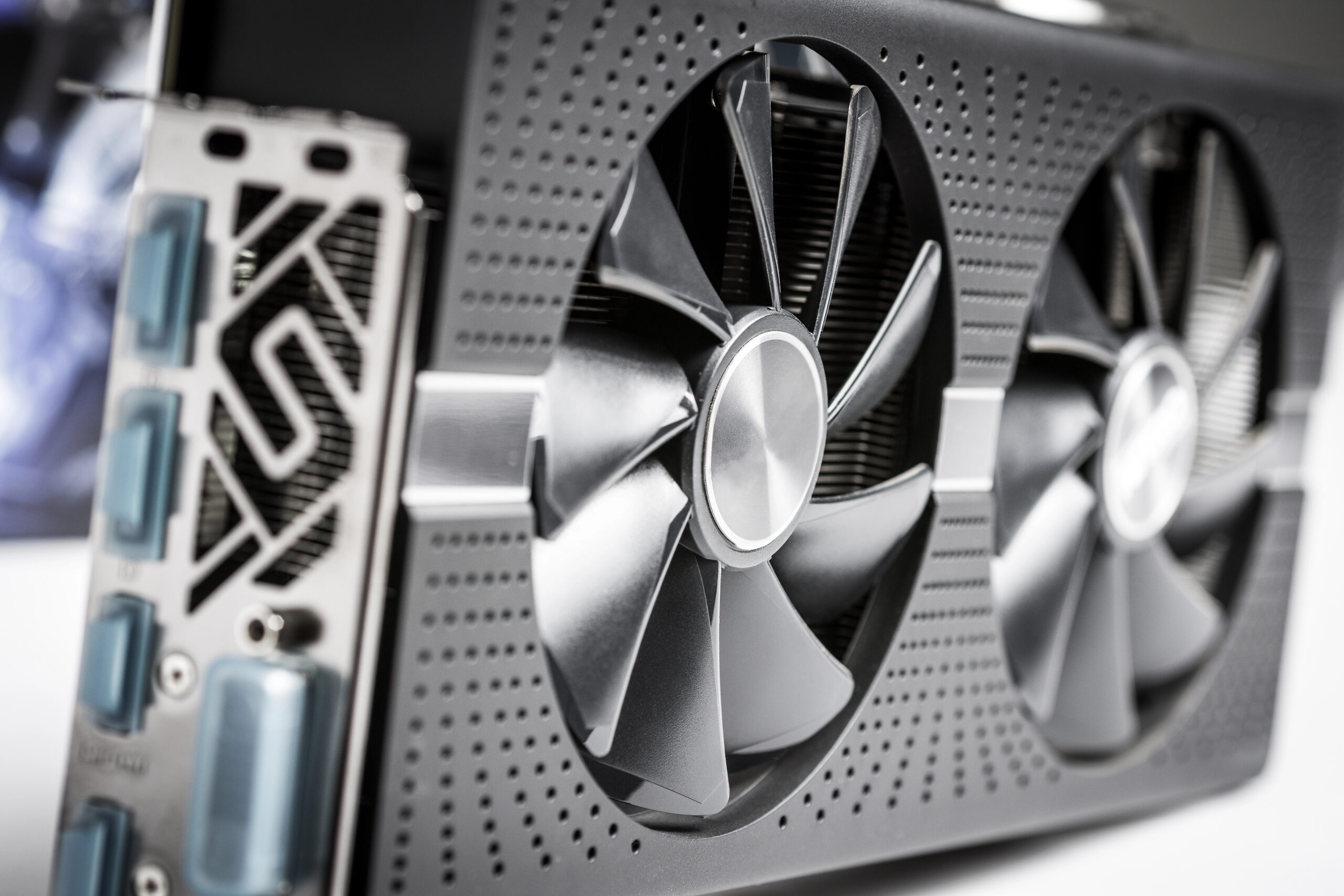
A Commitment to Innovation
Japan’s ambition with FugakuNEXT demonstrates its strong commitment to pioneering high-performance computing advancements. By collaborating with industry leaders RIKEN, Fujitsu, and NVIDIA, Japan aims to enhance computational capabilities. Moreover, the project seeks to redefine the boundaries of research and technology. This strategic endeavor intends to position Japan at the forefront of global supercomputing. Importantly, integrating GPU accelerators with Arm-based MONAKA-X CPUs marks a groundbreaking evolution in compute architecture. Consequently, this combination promises to deliver unprecedented processing power, pushing the limits of scientific computation and technological innovation.
Environmental Responsibility
While FugakuNEXT aims for zettascale performance, its design reflects a conscientious effort to maintain energy efficiency. By targeting a similar power envelope to its predecessor at approximately 40 MW, the project underscores the importance of sustainable computing. This focus on environmental responsibility is crucial, as it aligns with global efforts to reduce carbon footprints and promote green technology. The collaboration ensures that FugakuNEXT will not only be a technological marvel but also an exemplar of energy-efficient computing.
Transformative Applications
The implications of FugakuNEXT’s capabilities extend far beyond raw computational power. This supercomputer is poised to revolutionize numerous fields, from climate modeling and medical research to next-generation AI workloads. By offering a platform that can handle complex simulations and data-intensive applications, FugakuNEXT will empower researchers to tackle some of humanity’s most pressing challenges. The system’s ability to accelerate application speeds by up to 100 times will enable groundbreaking discoveries, fostering innovation across various domains.
In summary, FugakuNEXT embodies Japan’s vision for the future of technology—a harmonious blend of cutting-edge innovation, environmental stewardship, and transformative potential.
Collaboration and Innovation: RIKEN, NVIDIA, and Fujitsu’s Roles
Uniting Forces for Unprecedented Performance
In the quest for zettascale computing, the collaboration between RIKEN, NVIDIA, and Fujitsu serves as a beacon of innovation and strategic synergy. Each partner brings its distinct expertise, creating a harmonious blend of cutting-edge technology and visionary design. RIKEN, Japan’s premier research institute, orchestrates the project, leveraging its extensive experience in scientific research and supercomputing to guide the system’s overarching development and application strategy.
Fujitsu, a stalwart in computing technology, is entrusted with designing the compute architecture. Their task focuses on integrating Arm-based MONAKA-X CPUs with unparalleled precision and efficiency, ensuring the architecture is robust enough to handle the demanding workloads expected of FugakuNEXT. Fujitsu’s commitment to innovation and quality ensures that this foundation is both reliable and scalable, capable of adapting to future advancements in computing.
NVIDIA’s Role: Transformative GPU Infrastructure
On the other hand, NVIDIA introduces its formidable expertise in GPU technology and high-bandwidth connectivity. Their role in delivering GPU infrastructure and the NVLink Fusion interconnect technology is pivotal. This technology fosters seamless communication across the platform, maximizing data throughput and minimizing latency, which are crucial for achieving the desired 600 exaflops of AI performance.
Through this collaboration, the partners are setting new standards in high-performance computing. They are also creating pathways for future technological breakthroughs. Moreover, their collective efforts highlight a strong commitment to pushing the boundaries of what is possible. Consequently, they set a precedent for global leadership in supercomputing and artificial intelligence. This partnership exemplifies a fusion of strength, innovation, and vision. As a result, it drives forward the frontiers of scientific exploration and technological advancement.
Hardware and Architecture: MONAKA-X CPUs and GPU Integration
MONAKA-X CPUs: The Backbone of Performance
At the core of FugakuNEXT’s hardware are the MONAKA-X CPUs, a new iteration of Arm-based processors designed for peak performance. These CPUs deliver exceptional computational power while remaining energy-efficient. This efficiency is crucial, as the system aims to maintain a power envelope of around 40 MW. Furthermore, the MONAKA-X CPUs can manage complex algorithms and processes. Consequently, the supercomputer executes a wide range of advanced applications, including climate simulations and intricate medical research. Overall, this combination of power and efficiency makes the MONAKA-X a key component in achieving FugakuNEXT’s zettascale goals.
GPU Integration: Leveraging NVIDIA’s Expertise
FugakuNEXT’s architecture advances significantly by integrating NVIDIA GPUs, boosting computational power beyond traditional CPU limitations. By using GPUs as accelerators, the supercomputer targets over 600 exaflops of AI performance at FP8 precision. Moreover, NVIDIA provides NVLink Fusion interconnect technology, enabling high-bandwidth connectivity across the platform. This seamless connectivity ensures a unified data center system, allowing efficient data transfer and processing among computing nodes. Consequently, the collaboration with NVIDIA makes FugakuNEXT not only highly powerful but also fully optimized for a new era of AI-driven scientific computing.
Unified Architecture: A Synergy of Technologies
The integration of MONAKA-X CPUs and NVIDIA GPUs within FugakuNEXT represents a strategic fusion of technologies aimed at unifying artificial intelligence and scientific computing. This synergy is not merely about raw power but is also focused on enhancing application speed through algorithmic innovation and hardware efficiency. The collaborative effort underscores a forward-thinking approach to supercomputing, where RIKEN, Fujitsu, and NVIDIA are collectively pushing the boundaries of what is possible in global data center leadership. This unified architecture is set to elevate Japan’s standing in the supercomputing arena, reinforcing its commitment to pioneering advancements in technology.
Achieving Efficiency: AI Performance and Power Management
Balancing Performance with Energy Constraints
In the quest for unparalleled computational power, FugakuNEXT aims to break the boundaries of AI performance while maintaining stringent energy efficiency. The innovative architecture is set to deliver over 600 exaflops of AI performance at FP8 precision, a monumental leap towards zettascale computing. This ambitious target necessitates an equally pioneering approach to power management, ensuring that the supercomputer operates within a sustainable power envelope of approximately 40 MW, similar to its predecessor. Such efficiency is critical in an era where energy consumption is a major concern for global data centers.
Integration of Cutting-Edge Technologies
The collaboration between RIKEN, NVIDIA, and Fujitsu brings together cutting-edge technologies to achieve this delicate balance. Fujitsu’s MONAKA-X CPUs, designed with Arm architecture, form the backbone of the system, while NVIDIA’s GPU infrastructure offers exceptional computational acceleration. The NVLink Fusion interconnect technology facilitates high-bandwidth connectivity, ensuring seamless data flow across the platform. This integration not only boosts performance but also optimizes energy use, enabling the supercomputer to manage massive workloads without excessive power draw.
Algorithmic Innovation for Enhanced Efficiency
Beyond hardware advancements, FugakuNEXT leverages algorithmic innovations to enhance computational efficiency further. By refining algorithms for climate modeling, medical research, and AI workloads, RIKEN anticipates application speedups of up to 100 times. This optimization is not merely about faster computations but about smarter, more energy-conscious processing. Such advancements underscore the potential to transform scientific research, paving the way for breakthroughs that can have profound environmental and societal impacts.
In conclusion, FugakuNEXT stands as a testament to the power of collaborative innovation in high-performance computing, setting new standards for efficiency and performance on the global stage.
Applications and Implications: Climate Modeling to AI Workloads
Climate Modeling and Environmental Science
FugakuNEXT’s remarkable computational capabilities have profound implications for climate modeling. By processing complex global datasets with unprecedented speed and accuracy, this supercomputer can help scientists simulate intricate climate dynamics, enhancing our understanding of climate change and its potential impacts. Models that once took months to render can now be completed in weeks, enabling researchers to explore more scenarios and refine predictions. Such advancements are crucial for policy-making and global climate strategies, providing a scientific foundation for actionable insights into mitigating climate change.
Medical Research and Biotechnology
In the realm of medical research, FugakuNEXT stands poised to revolutionize drug discovery and genomics. Its ability to analyze vast amounts of biological data at high speeds allows researchers to simulate molecular interactions and genetic variations with heightened precision. This capability accelerates the development of personalized medicine, potentially leading to breakthroughs in treating complex diseases. By integrating AI into these processes, FugakuNEXT enhances predictive analytics, allowing scientists to anticipate disease outbreaks or evaluate the efficacy of new treatments more effectively.
Next-Generation AI Workloads
FugakuNEXT is not only a powerhouse for scientific research but also a catalyst for AI innovation. Its design supports next-generation AI workloads, fostering advancements in machine learning algorithms and neural networks. With the integration of NVIDIA’s GPU technology, the supercomputer can efficiently manage large-scale AI training tasks, driving forward fields such as natural language processing, autonomous systems, and computer vision. This capability paves the way for AI systems that are not only faster but also more intelligent, adaptive, and capable of solving complex real-world problems.
By harnessing FugakuNEXT’s immense processing power, Japan positions itself at the forefront of technological and scientific advancement, shaping the future of supercomputing and its applications across diverse fields.
As a Summary
As you look toward the horizon of technological advancement, FugakuNEXT represents a monumental leap in Japan’s supercomputing capabilities. This ambitious project, born from the synergy between RIKEN, NVIDIA, and Fujitsu, promises to redefine computational boundaries. By seamlessly integrating cutting-edge GPU and CPU technologies, FugakuNEXT is poised to tackle some of the most complex scientific and AI challenges of the coming decade. Its potential to drive transformative research in fields like climate science and medicine underscores Japan’s commitment to innovation. As you follow its progress, you will witness a pioneering endeavor that could reshape the landscape of global high-performance computing.

Happy
0 %

Sad
0 %

Excited
0 %

Sleepy
0 %

Angry
0 %

Surprise
0 %

