
Read Time:9 Minute, 3 Second
As you navigate through the evolving landscape of digital finance, Sri Lanka’s recent strides toward a cashless economy stand as a noteworthy development. The nation’s ambitious expansion of the LankaQR payment system, backed by the Central Bank of Sri Lanka and key financial players, marks a significant shift in how commerce is conducted. By eliminating the Merchant Discount Rate for transactions up to Rs. 5,000, the initiative not only empowers small businesses but also paves the way for broader financial inclusion. This strategic move is set to transform everyday transactions, making digital payments both accessible and appealing across the country.
Evolution of Sri Lanka’s Cashless Economy: A Look at the QR Payment System
Historical Foundations and Digital Transformation
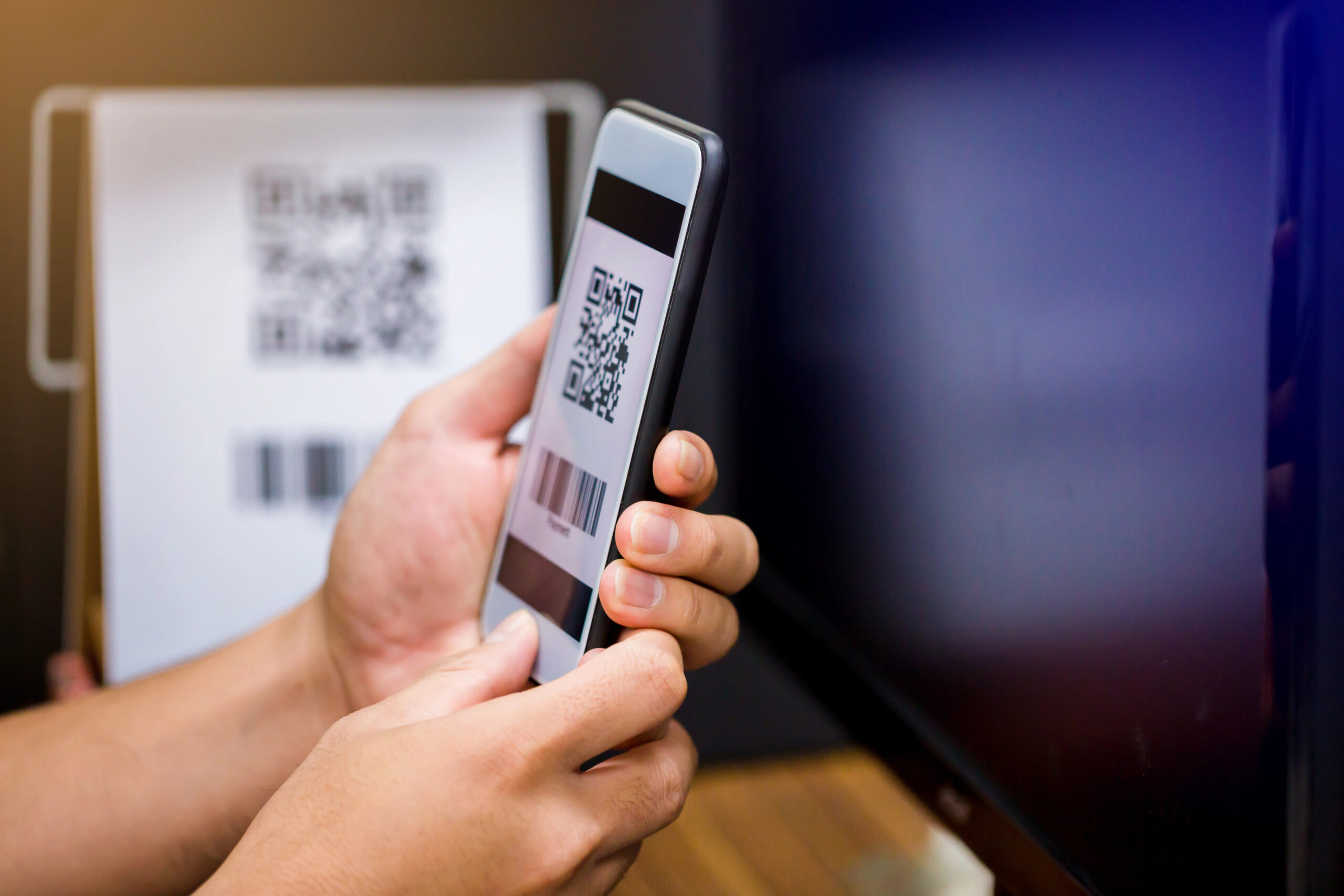
Sri Lanka’s journey toward a cashless economy has been a progressive evolution, rooted in substantial investments in digital infrastructure and financial technology. The introduction of LankaQR marked a pivotal moment in this transformation, providing a unified, interoperable QR payment standard across the nation. Initially, the payment landscape was dominated by cash transactions and traditional banking methods. However, the Central Bank of Sri Lanka’s initiative to standardize QR payments offered a modern solution that prioritizes convenience and efficiency. This system builds on the country’s foundational digital capabilities, enabling seamless transactions across various sectors, from retail to transport.
Strategic Partnerships and Technological Integration
The success of the LankaQR system can be attributed to strategic collaborations between local banks, payment service providers, and global financial entities. Partners such as Mastercard and Weixin Pay have played crucial roles in expanding the system’s reach, ensuring that both locals and international visitors can transact effortlessly. Integration with global payment systems enhances the interoperability of LankaQR, making it an attractive option for tourists and businesses alike. This collaborative effort not only elevates the user experience but also fosters an inclusive financial ecosystem that bridges traditional and digital economies.
Incentives and Future Prospects
As part of its broader strategy to encourage digital transactions, the Sri Lankan government has implemented several incentives. The removal of the Merchant Discount Rate (MDR) on small transactions up to Rs. 5,000 is a significant move to incentivize small merchants to adopt QR payments. Additionally, promotional campaigns and reward programs aim to shift consumer behavior towards digital payment methods. Looking ahead, the country envisions a robust, cash-lite economy that leverages technology to enhance economic activity and improve financial inclusion, setting a precedent for other nations in the region.
The Nationwide Expansion of LankaQR: Making Digital Payments Accessible
Strengthening the Financial Ecosystem
The expansion of LankaQR across Sri Lanka marks a significant step towards enhancing the nation’s financial ecosystem. By implementing this system nationwide, the Central Bank of Sri Lanka aims to level the playing field for merchants and consumers alike. This initiative involves the collaboration of various financial institutions, including LankaPay and Mastercard, ensuring that digital payments are not only accessible but also secure and efficient. For small businesses, especially those in rural areas, the adoption of QR payments could reduce reliance on cash transactions, which often carry higher risks and operational costs.
Empowering Small Businesses
A pivotal aspect of this expansion is the removal of the Merchant Discount Rate (MDR) on transactions up to Rs. 5,000. This policy change empowers small and informal businesses by eliminating the fees typically associated with digital payments, making it financially viable for them to embrace this technology. Without the burden of MDR, small merchants are more likely to adopt QR codes, integrate cashless transactions into their operations, and ultimately improve their revenue streams. This ease of access not only simplifies financial management but also encourages a shift towards a more modern, tech-driven economy.
Enhancing User Experience
By broadening the reach of LankaQR, the government is also addressing the user experience, making digital transactions more appealing to consumers. Promotional campaigns and incentives are being introduced to encourage adoption, ensuring that users find the transition from cash to digital seamless and rewarding. The interoperability with global partners like Weixin Pay further enhances this experience, offering convenience to both local users and tourists, and fostering a more inclusive financial environment. As a result, the integration of QR payments stands to benefit all stakeholders, paving the way for a robust, cash-lite economy in Sri Lanka.
Fee-Free Digital Transactions: How the MDR Waiver Benefits Small Merchants
Empowering Small-Scale Entrepreneurs
The removal of the Merchant Discount Rate (MDR) on LankaQR transactions up to Rs. 5,000 is a strategic move that empowers micro and small-scale enterprises across Sri Lanka. By eliminating transaction fees, small merchants can now accept digital payments without additional costs, enabling them to retain more of their earnings. This initiative significantly lowers the barriers to entry for digital payment systems, offering a competitive edge to small businesses in a market traditionally dominated by cash transactions.
Enhancing Financial Inclusion
The MDR waiver plays a crucial role in enhancing financial inclusion. Small merchants, who often operate in informal sectors, can now transition to cashless transactions, allowing them to formalize their operations and gain access to a broader range of financial services. This transition fosters a more inclusive economic environment where even the smallest enterprises can benefit from modern financial tools, ultimately contributing to the nation’s economic growth.
Simplifying Transactions for Consumers
For consumers, the widespread adoption of fee-free digital transactions promises a seamless and convenient shopping experience. With more merchants opting for QR payment systems, customers can enjoy quick, secure, and hassle-free transactions, eliminating the need to carry cash. This convenience is particularly beneficial in rural and underserved areas, where access to banking services may be limited.
Promoting Economic Resilience
In promoting a cashless economy, Sri Lanka is not only modernizing its financial infrastructure but also building economic resilience. As small businesses adopt QR payments, they enhance their operational efficiency, reduce cash handling risks, and gain access to valuable transaction data. This data can be leveraged to better understand customer behavior, optimize inventory, and improve overall business strategies, paving the way for sustainable growth in a dynamic marketplace.
Boosting Adoption: Incentives and Promotional Campaigns for QR Payments
Incentives for Merchants and Consumers
To drive adoption of LankaQR, the Sri Lankan government has strategically introduced a series of incentives aimed at both merchants and consumers. Small merchants, in particular, stand to benefit significantly from the waiver of the Merchant Discount Rate (MDR) for transactions up to Rs. 5,000. This policy shift effectively eliminates the cost barrier that might have deterred smaller businesses from embracing digital payments. By reducing the financial burden, it becomes more appealing for these merchants to offer QR payment options, enhancing their competitiveness and potential for growth.
For consumers, the lure of rewards for using QR payments adds an extra layer of appeal. These rewards can range from cashback offers to discounts on future purchases, providing tangible benefits that encourage the transition from cash to digital. Such incentives not only boost the adoption rate but also foster a culture of digital transactions, promising long-term economic benefits.
Promotional Campaigns and Awareness Programs
Alongside financial incentives, promotional campaigns play a crucial role in educating the public about the advantages of QR payments. These initiatives often involve collaborations with key industry players and influencers who can effectively communicate the benefits of a cashless economy. Awareness programs are designed to demystify digital transactions, addressing common concerns such as security and ease of use.
Moreover, by showcasing real-world examples of successful QR payment implementations, these campaigns make the concept more relatable to the average consumer. They highlight stories of business owners who have thrived by adopting digital payments, thus serving as compelling testimonials to the system’s efficacy.
Enhancing Interoperability and Tourist Engagement
To further stimulate adoption, efforts are also directed towards enhancing interoperability between local and international QR payment systems. This is particularly beneficial in a country like Sri Lanka, which attracts a significant number of tourists. By ensuring that popular foreign payment apps are compatible with local systems, Sri Lanka not only enhances the visitor experience but also boosts the local economy.
These steps, coupled with robust promotional efforts, position Sri Lanka as a forward-thinking nation in the digital economy landscape. The collaborative approach involving the government, financial institutions, and tech companies ensures a comprehensive strategy for a seamless transition to a cashless society.
Interoperability and Cross-Border Transactions: Enhancing User Experience in Sri Lanka’s Cashless Economy
Expanding Interoperability
In Sri Lanka’s quest to cultivate a cashless economy, interoperability plays a crucial role. By ensuring different payment platforms and financial institutions work seamlessly together, users can enjoy smoother transactions, whether they are paying through local banks or international financial services. This capability empowers both merchants and consumers, facilitating a more inclusive digital payment landscape. The collaboration with major players like Weixin Pay (WeChat Pay) enhances this effort, offering a unified payment experience. This means that whether tourists or local users are conducting transactions, the process remains efficient and user-friendly, promoting widespread adoption of cashless payments.
Facilitating Cross-Border Transactions
In the globalized economy, cross-border transactions have become increasingly significant. Sri Lanka’s strategy emphasizes boosting such transactions by enhancing QR code compatibility beyond its borders. This step not only supports the local economy by attracting more international tourists but also simplifies business operations for local merchants dealing with overseas partners. The seamless integration of payment systems across borders helps in reducing the friction often associated with international payments. Furthermore, it ensures that both tourists and local businesses benefit from competitive exchange rates and minimal transaction fees, strengthening Sri Lanka’s position as a digital commerce hub in the region.
Enhancing User Experience
Improving user experience lies at the heart of Sri Lanka’s cashless economy initiative. By removing common barriers such as complex processes or inconsistent fee structures, the payment system becomes more appealing to a diverse range of users. The combination of fee-free transactions for small merchants and enhanced interoperability leads to a more connected, efficient digital environment. As users become more comfortable with these systems, their confidence and trust grow, encouraging further engagement with the cashless ecosystem. This strategic focus on user experience not only supports the current digital framework but also sets the stage for future innovations in the digital payment space.
As a Summary
In conclusion, as Sri Lanka propels toward a cashless society, the nationwide adoption of QR payments signifies a transformative shift in its financial landscape. By eliminating transaction fees for smaller payments, you, as a consumer or merchant, are positioned to benefit from a more inclusive and efficient digital economy. This move not only fortifies the local market but also enhances your capacity to engage in seamless, borderless commerce. As Sri Lanka harnesses the power of technology to reshape its economic framework, you stand on the cusp of a new era in financial transactions—one that promises convenience, security, and growth.

Happy
0 %

Sad
0 %

Excited
0 %

Sleepy
0 %

Angry
0 %

Surprise
0 %