
Read Time:8 Minute, 48 Second
Kyushu Electric Power redefines computing efficiency and sustainability in today’s fast-changing technology landscape by collaborating with IIJ, QTnet, 1Finity, and Nautilus Technologies. Together, they lead a groundbreaking initiative in the Kyushu region by building a distributed photonics computing network designed to push the boundaries of data processing. Starting in October 2025, the six-month pilot project will connect multiple micro data centers using an advanced All-Photonics Network. This system aims to enhance data exchange speeds while drastically lowering energy consumption, making operations more sustainable. Furthermore, the project sets a strong precedent for future computing frameworks across industries. As you explore this development, discover how the initiative could transform conventional data center operations and practices.
Overview of the Distributed Photonics Computing Network Initiative
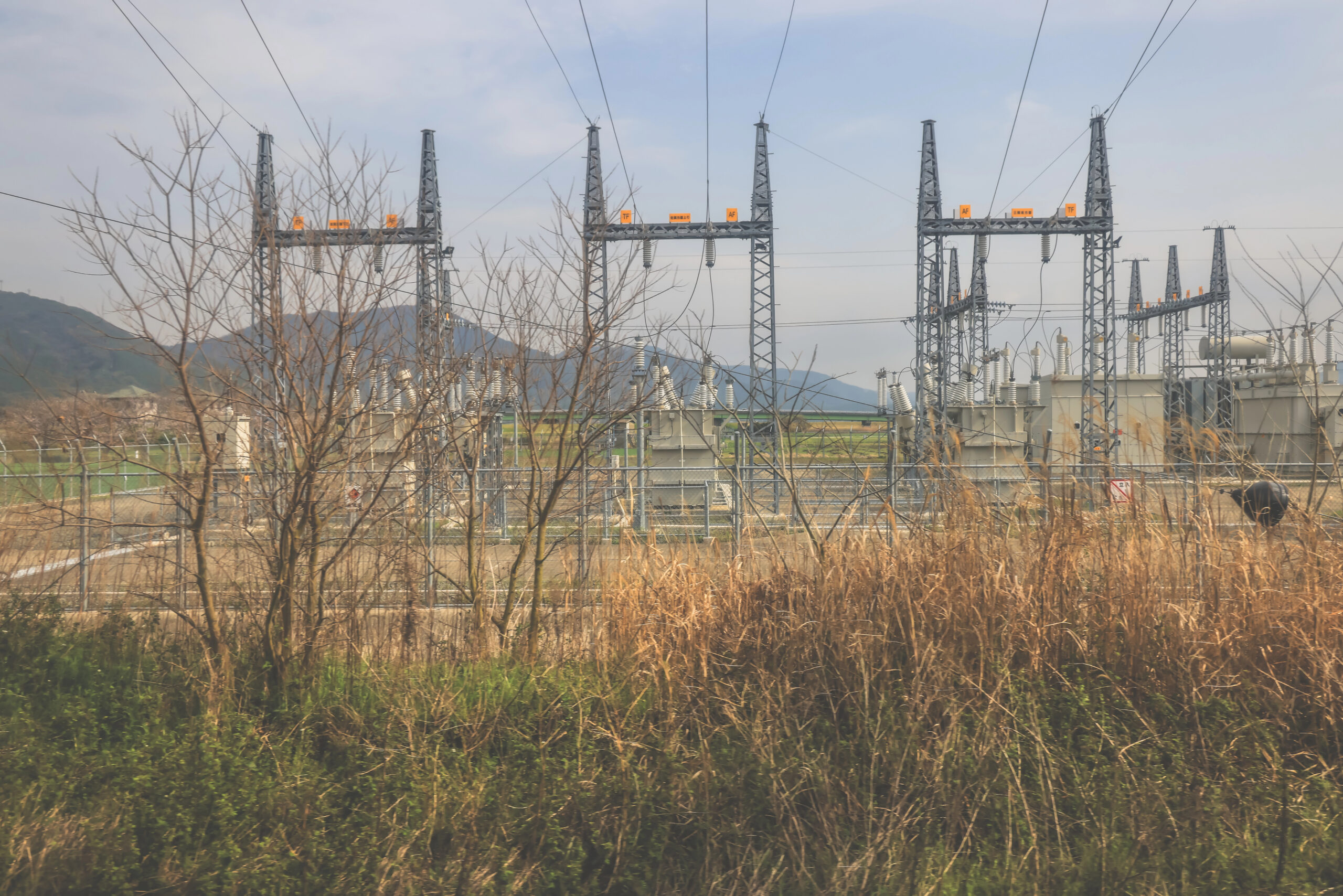
Introduction to Photonics Computing
The Distributed Photonics Computing Network initiative, spearheaded by Kyushu Electric Power, marks a significant shift in computing infrastructure design. By leveraging photonics—a field concerned with the generation and manipulation of light—this network aims to enhance data processing capabilities while reducing energy consumption. Unlike traditional electronic data transfer methods, which can be bottlenecked by electrical resistance, photonics uses light to transmit information at incredibly high speeds. This not only accelerates data exchange but also minimizes energy losses, which are critical advantages in modern, data-heavy applications.
Key Components and Collaborations
Central to this initiative is the collaboration between Kyushu Electric Power and partners like IIJ, QTnet, 1Finity, and Nautilus Technologies. Each organization brings a unique expertise to the table, creating a robust ecosystem for innovation. Kyushu Electric Power oversees the project, ensuring it aligns with broader regional infrastructure goals. IIJ contributes to system design and provides GPU resources essential for high-performance computing. QTnet takes charge of constructing and connecting the sites, ensuring seamless integration. 1Finity supplies the photonics network interface cards (NICs), which are pivotal to the project’s success. Lastly, Nautilus Technologies offers advanced distributed database expertise, critical for managing data across diverse locations.
Potential Impact and Goals
The initiative aims to demonstrate that decentralized photonic data centers can outperform traditional centralized systems in terms of latency, energy efficiency, and overall system performance. If successful, this project will pave the way for a new era of sustainable, efficient computing. As our world increasingly seeks ways to reduce its carbon footprint, innovations like this not only promise technological advancements but also contribute to global environmental goals. By potentially serving as a blueprint for future developments, this initiative could redefine how data centers operate worldwide.
Key Players and Their Roles in the Kyushu Electric Power Project
Kyushu Electric Power: The Visionary Leader
Kyushu Electric Power leads this innovative project with strategic oversight and a vision for a sustainable technological future. As the main architect, the company orchestrates collaboration among diverse partners. It ensures every participant contributes their strengths to achieve ambitious goals. Moreover, Kyushu Electric Power shows a firm commitment to integrating renewable energy sources. This dedication highlights its leadership and aligns seamlessly with global sustainability efforts. Through this initiative, the company demonstrates both innovation and responsibility. Consequently, it positions itself as a key driver of sustainable progress.
IIJ: System Design and GPU Resource Expert
IIJ (Internet Initiative Japan) plays a critical role by lending its expertise in system design and providing the necessary GPU resources. With a robust background in cloud computing and data center operations, IIJ’s contributions are pivotal in crafting a seamless, high-performance compute environment. By integrating sophisticated design principles and substantial GPU capabilities, IIJ ensures that the project infrastructure is both efficient and scalable.
QTnet: The Network Architect
Tasked with constructing and interlinking the various sites, QTnet emerges as the network architect of the project. Their responsibility includes the deployment of cutting-edge infrastructure that connects the micro data centers across Kyushu. QTnet’s proficiency in creating resilient and high-speed connections is crucial for the All-Photonics Network (APN) to function as a unified, coherent system.
1Finity and Nautilus: Technological Innovators
1Finity and Nautilus Technologies contribute their technological prowess to the project, each emphasizing innovation in their fields. 1Finity supplies the photonics network interface cards (NICs), enabling unparalleled data transfer speeds across optical connections. Meanwhile, Nautilus offers expertise in distributed database management, ensuring data integrity and accessibility are maintained across the distributed network. Together, these companies drive the technological advancements that set this project apart from conventional data center models.
Exploring the All-Photonics Network: How It Works
Understanding the All-Photonics Network Architecture
At the core of this pioneering initiative is the All-Photonics Network (APN), a robust framework designed to revolutionize data center operations. Unlike traditional networks that rely on electronic data transmission, APN employs optical fibers for data exchange. This shift enhances data transmission rates and minimizes latency, crucial factors in today’s fast-paced digital landscape. The optical connections link micro data centers across the Kyushu region, creating a seamless, integrated computing environment that operates as a single unit despite physical separations.
The Role of Photonics NICs
Photonics Network Interface Cards (NICs) are pivotal to this technological leap. These sophisticated components enable servers to directly communicate through optical pathways, bypassing the slower electronic circuits traditionally used. By facilitating high-speed, direct data exchanges, photonics NICs significantly reduce bottlenecks associated with conventional systems. This innovation not only speeds up data processing but also optimizes energy consumption, aligning with global sustainability goals.
Integration of Renewable Energy
A distinctive feature of this project is its commitment to renewable energy integration. By leveraging clean energy sources, the APN initiative addresses growing environmental concerns associated with data center operations. The reliance on renewable energy aligns with global efforts to reduce carbon footprints and move towards a more sustainable future. This approach not only supports environmental objectives but also enhances the network’s efficiency and reliability, offering a blueprint for future data infrastructure.
By interconnecting micro data centers through an all-photonics framework, this initiative showcases a future where speed, efficiency, and sustainability redefine the benchmarks of data processing and management.
Benefits of Decentralized Photonic Data Centers Over Traditional Models
Enhanced Speed and Efficiency
Decentralized photonic data centers offer significant improvements in speed and efficiency compared to traditional centralized models. By utilizing photonics network interface cards (NICs), these centers facilitate direct data exchange through optical connections. This approach markedly reduces latency, as data is transmitted at the speed of light, eliminating the delays associated with electronic interconnects. In a world where milliseconds can impact performance, this speed advantage is crucial in meeting the demands of real-time processing needs and large-scale data analytics.
Energy Efficiency and Sustainability
One of the most compelling benefits of decentralized photonic data centers is their potential to drastically reduce energy consumption. The use of optical connections minimizes power loss typically encountered in electronic data transfer, making these centers more energy-efficient. Furthermore, the integration of renewable energy sources aligns with global sustainability goals. By prioritizing low-carbon energy solutions, these data centers contribute to reducing the carbon footprint of technology infrastructures, supporting a greener future.
Scalability and Flexibility
The decentralized nature of photonic data centers allows for unparalleled scalability and flexibility. As demand for computing resources grows, additional micro data centers can be seamlessly integrated into the network without significant infrastructure changes. This modularity supports business agility, enabling organizations to adapt to evolving technological requirements with minimal disruption. Moreover, the ability to operate across geographically dispersed locations ensures resilience and continuity, safeguarding against localized outages or disruptions.
Improved System Performance
Beyond speed and energy benefits, decentralized photonic data centers present enhancements in overall system performance. By distributing computing loads across multiple sites, these centers can more effectively balance and manage resources, reducing bottlenecks and enhancing throughput. This distributed approach not only optimizes performance but also improves fault tolerance, ensuring that systems remain operational even when individual components fail. Such robust performance is vital in maintaining the reliability and efficiency necessary for modern computing demands.
The Future of Sustainable Computing: Insights from the Kyushu Pilot Project
Harnessing Renewable Energy for Efficient Computing
In the pursuit of sustainable computing, the Kyushu pilot project stands as a testament to the power of integrating renewable energy sources with cutting-edge technology. By employing a distributed photonics computing network, the project reduces reliance on traditional power grids, promoting a cleaner, greener approach to data management. This initiative not only curtails carbon emissions but also sets a precedent for future projects aiming to align with global sustainability goals.
Photonics technology, at the heart of this initiative, revolutionizes data transmission by using light for communication. This method significantly diminishes energy consumption compared to traditional electrical methods. By coupling photonics with renewable energy, the Kyushu project exemplifies how advanced technology can lead to a more sustainable future.
Enhancing Data Transmission and Connectivity
The core advantage of the All-Photonics Network (APN) lies in its ability to enhance data transmission speed and connectivity across vast distances. By leveraging photonics network interface cards, the project enables direct optical data exchange between servers, bypassing the inefficiencies inherent in electrical interconnects. This advancement not only accelerates data processing but also reduces latency, a critical factor in real-time computing applications.
Furthermore, the APN’s capacity to link geographically dispersed micro data centers as a unified processing environment showcases its potential to transform traditional data center models. This interconnected approach ensures that data flow is seamless and uninterrupted, paving the way for more robust and resilient computing infrastructures.
A Blueprint for Future Data Centers
The Kyushu pilot project acts as a model for future data centers, offering an alternative to centralized approaches. If successful, the initiative could redefine how data centers are built and managed. It highlights decentralization, energy efficiency, and improved performance. Moreover, this shift has the potential to transform global computing infrastructure. It could make systems more efficient while ensuring they remain environmentally conscious.
By integrating photonics and renewable energy, the Kyushu project proposes a blueprint for the future—one where technology and sustainability coexist harmoniously to meet the ever-growing demands of the digital age.
Summary of Findings
In exploring Kyushu Electric Power’s distributed photonics computing network, you stand at the forefront of innovation and sustainability. This ambitious pilot project challenges traditional data center paradigms and sets a precedent for merging clean energy with advanced technology. Furthermore, it leverages industry leaders’ expertise and the unique power of photonics to create a transformative computing approach. This approach has the potential to redefine both efficiency and connectivity. As the initiative develops, its ability to revolutionize global data infrastructure becomes increasingly clear. Moreover, it offers a glimpse into a future where sustainability and technology converge in harmony.

Happy
0 %

Sad
0 %

Excited
0 %

Sleepy
0 %

Angry
0 %

Surprise
0 %