
Read Time:8 Minute, 29 Second
In the dynamic landscape of Southeast Asia’s digital economy, Malaysia stands at a critical juncture as it confronts the intricate balance between burgeoning data center growth and the realities of its power grid infrastructure. With the impending implementation of a revised electricity tariff structure set for July 2025, the nation is poised to experience a significant surge in power price for data centers, a move that could reshape its appeal to global technology giants. As the demand for digital services accelerates, this strategic pivot raises pivotal questions about Malaysia’s role as a regional hub for data-driven innovation and its commitment to sustainable energy practices.
Understanding Malaysia’s New Electricity Tariff Structure for Data Centers
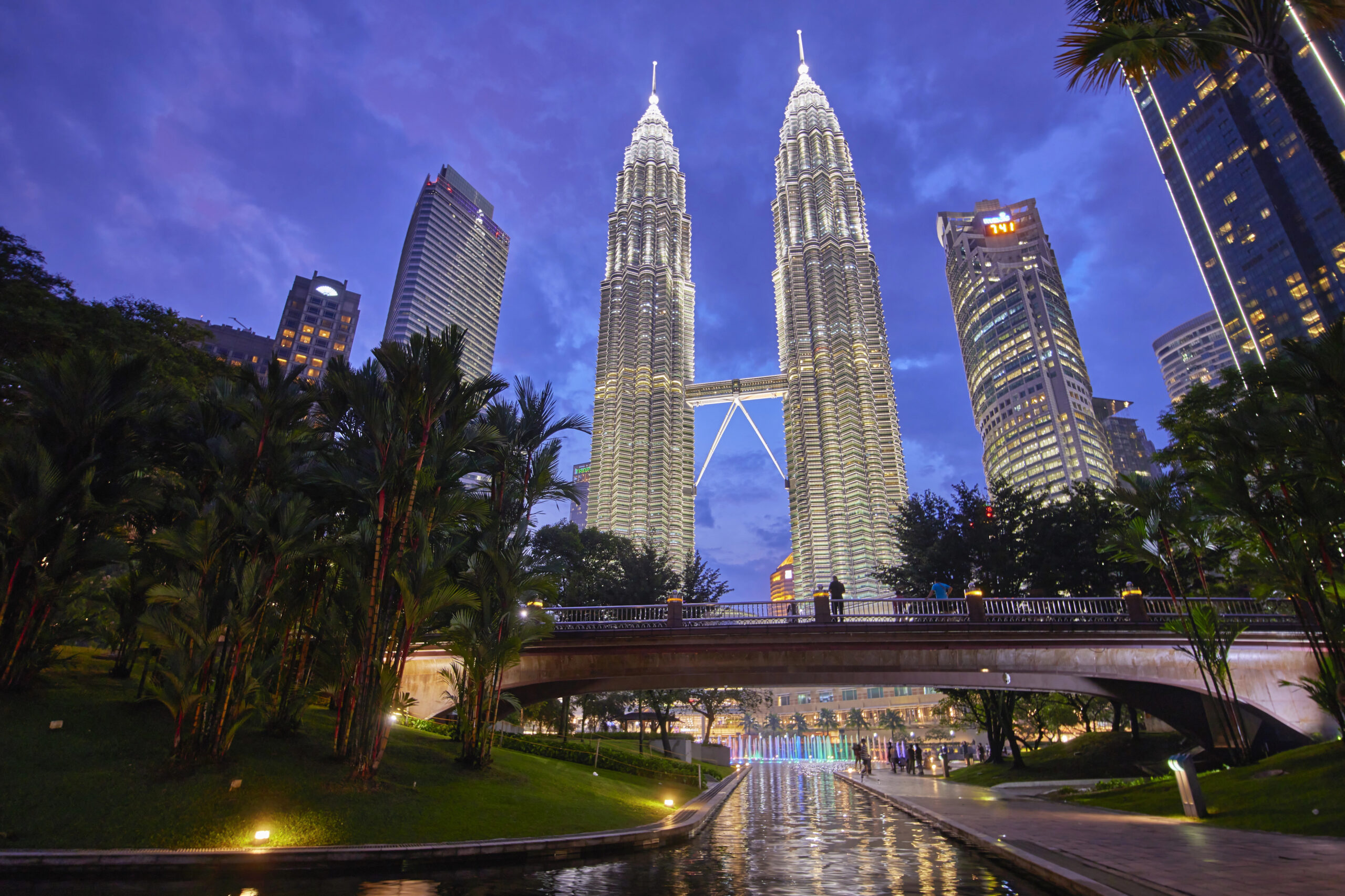
Navigating the Tariff Changes
Malaysia’s new electricity tariff structure marks a significant shift for data center operators, particularly those utilizing ultra-high voltage connections. Effective from July 1, 2025, this adjustment introduces an estimated 10 to 14 percent increase in power costs, directly impacting the economic landscape for these energy-intensive facilities. This change is a strategic move to redistribute the burden of grid infrastructure expenses, traditionally absorbed by the government, more equitably among heavy energy users. By doing so, the Malaysian government aims to create a more sustainable economic model for its rapidly growing digital economy.
Implications for Data Center Operators
The implications of these tariff changes are profound. Data centers, which are the backbone of the digital economy, now face heightened operational costs that could escalate by as much as $20 million annually. This increase is not merely a financial challenge but also a strategic one, pushing operators to reassess their cost-management frameworks and potentially recalibrate their growth trajectories within Malaysia. The adjustment may prompt some operators to pause or even reconsider their expansion plans, opting instead for more economically favorable environments in nearby countries such as Vietnam or Thailand.
Strategic Responses and Sustainability Initiatives
In response to these challenges, data center operators are increasingly turning toward sustainable energy solutions. Initiatives such as installing solar panels and engaging in power purchase agreements under Malaysia’s Corporate Renewable Energy Supply Scheme are gaining traction. These green energy strategies not only offer a hedge against rising electricity costs but also align with global sustainability trends. Embracing renewable energy sources can enhance long-term resilience and ensure that data centers remain competitive in the evolving Southeast Asian market. Through these efforts, operators aim to balance the immediate cost pressures with sustainable growth and environmental responsibility.
Implications of Power Price Surge on Data Center Growth in Malaysia
Economic Impact on Data Center Investments
The recent power price surge in Malaysia is poised to have significant economic implications for data center investments. As data centers are inherently energy-intensive operations, the increase in electricity tariffs could lead to higher operational costs, affecting profitability and investment attractiveness. For operators using ultra-high voltage connections, the anticipated rise in costs by 10 to 14 percent could translate into millions of dollars in additional annual expenses. This financial burden may prompt companies to reassess their expansion strategies within Malaysia, potentially slowing down new builds or expansions as investors seek more cost-effective alternatives.
Shift in Competitive Advantage
Malaysia has long positioned itself as a key player in attracting global hyperscalers by offering competitive energy prices. The tariff adjustment, however, could erode this advantage, pushing industry players to consider neighboring markets like Vietnam and Thailand, which may offer more favorable cost structures. As these countries ramp up their infrastructure and regulatory frameworks to attract foreign investments, Malaysia could face increased competition for securing new data center projects. Consequently, the shift may alter the regional balance of power in Southeast Asia, influencing where future investments are directed.
Accelerated Sustainability Initiatives
In light of rising electricity costs, many data center operators in Malaysia are likely to expedite their transition toward renewable energy sources as a form of mitigation. Initiatives such as solar panel installations and corporate renewable energy purchase agreements are gaining momentum. These sustainable strategies not only help in reducing operational costs but also align with global environmental goals, which are increasingly important to consumers and investors alike. Embracing green energy can provide operators a dual benefit: maintaining cost competitiveness and enhancing their brand reputation through sustainable practices.
Regional Impact: Will Vietnam and Thailand Benefit from Malaysia’s Pricing Shift?
A New Regional Landscape
The recent shift in Malaysia’s electricity tariff structure for data centers has set the stage for significant regional repercussions, particularly for Vietnam and Thailand. As Malaysia increases costs for ultra-high voltage connections, these neighboring countries may emerge as attractive alternatives for investment. Vietnam and Thailand have been actively positioning themselves as competitive destinations for data center infrastructure, offering incentives, and improving their energy frameworks. The shift in Malaysia’s pricing could accelerate investment flows into these markets, boosting their standing as Southeast Asia’s potential data center hubs.
Opportunities for Vietnam and Thailand
Vietnam and Thailand are strategically poised to capitalize on the situation. With burgeoning digital economies, both countries have been enhancing their technological landscapes, which align well with the needs of global hyperscalers and tech giants. Vietnam has been focusing on improving its regulatory environment and investing in robust grid capabilities. Similarly, Thailand is advancing its renewable energy initiatives, potentially appealing to companies with sustainability mandates. These proactive measures can make Vietnam and Thailand more appealing to data center operators reconsidering their presence in Malaysia due to the heightened costs.
Strategic Considerations
However, the decision to invest in Vietnam or Thailand over Malaysia involves more than just cost considerations. Potential investors must evaluate the overall stability, infrastructure reliability, and political environment of these countries. Both Vietnam and Thailand have shown promising economic growth, yet challenges remain, such as ensuring consistent and scalable energy supplies. Success in attracting redirected investments will depend on the ability of these countries to effectively address these challenges while showcasing their competitive advantages in the tech and energy sectors.
Through calculated strategies and targeted reforms, Vietnam and Thailand stand ready to potentially benefit from Malaysia’s pricing shift, reshaping the regional data center landscape.
Green Energy Initiatives: A Response to Rising Power Costs
Transitioning to Renewable Energy Sources
In the face of escalating power costs, data center operators in Malaysia are increasingly turning towards renewable energy as a viable solution. This shift is not merely a reactionary measure but a strategic move towards sustainability and cost-efficiency. Solar energy, in particular, stands out as a favored choice. Operators are investing in large-scale solar panel installations which provide a dual benefit: reducing reliance on the traditional grid and decreasing long-term energy expenditures. By harnessing the abundant sunlight available in the region, data centers can significantly cut down on operational costs while contributing to environmental conservation.
Embracing Corporate Renewable Energy Supply Schemes
The adoption of corporate renewable energy supply schemes further underscores the industry’s commitment to green energy. These programs allow companies to enter into power purchase agreements (PPAs) that secure a fixed rate for renewable energy over a set period. Such agreements are financially advantageous as they offer protection against volatile energy market fluctuations, ensuring stable and predictable energy costs. Moreover, they align with global sustainability commitments, enhancing the reputation of operators who prioritize eco-friendly practices.
Long-term Resilience and Competitive Edge
Embracing renewable energy initiatives not only helps data centers manage immediate power cost increases but also positions them favorably for future growth. The integration of green technologies is an integral part of building a resilient infrastructure capable of withstanding regulatory changes and market pressures. Furthermore, as consumers and clients become more environmentally conscious, data centers that lead in sustainable practices will likely enjoy a competitive edge in the regional market. This proactive approach is essential for operators who wish to thrive in Malaysia’s evolving energy landscape.
Navigating the Future: Strategic Moves for Data Centers Amid Grid Reality
Embracing Renewable Energy Solutions
Data centers in Malaysia are at a crossroads, necessitating a pivot toward sustainable energy practices. As the country implements a new tariff structure, operators are increasingly looking to renewable energy sources as a viable solution to offset rising costs. Initiatives like solar panel installations and power purchase agreements under Malaysia’s Corporate Renewable Energy Supply Scheme are gaining traction. These green energy strategies not only align with global sustainability trends but also offer long-term economic benefits. By reducing reliance on traditional grid power and embracing renewable sources, data centers can mitigate the impact of tariff hikes while simultaneously enhancing their corporate social responsibility profiles.
Investing in Energy Efficiency Technologies
In addition to renewable energy, advancing energy efficiency technology offers another key strategy for data centers facing increased power costs. Operators are exploring innovations such as advanced cooling systems, energy-efficient servers, and intelligent energy management systems. These technologies help lower operational costs by reducing overall energy consumption, thus softening the financial blow of the new tariff model. By integrating smart technologies and optimizing energy use, data centers can achieve significant cost savings, enhancing their competitive edge in a rapidly evolving market.
Strategic Regional Diversification
With the power price surge, some data center operators may consider diversifying their geographical footprint as a strategic response. Exploring opportunities in other Southeast Asian markets like Vietnam and Thailand could offer a competitive advantage, balancing operational costs and growth potential. This approach not only helps spread financial risk but also takes advantage of varying regional incentives and market dynamics. By strategically positioning themselves across the region, data centers can better navigate the uncertainties of Malaysia’s evolving energy landscape and ensure sustained growth and profitability.
To Summarize
As Malaysia grapples with the challenges of balancing data center growth and energy sustainability, the new electricity tariff structure marks a pivotal shift in strategy. For industry players, the road ahead demands adaptability and innovation, embracing renewable energy solutions to mitigate rising costs. While this transition poses immediate challenges, it also offers an opportunity to lead in sustainable data center operations. As you navigate this evolving landscape, strategic investments in green technologies and energy efficiency will be crucial. By doing so, Malaysia can maintain its competitive edge in the region, fostering a resilient and sustainable future for its booming digital economy.

Happy
0 %

Sad
0 %

Excited
0 %

Sleepy
0 %

Angry
0 %

Surprise
0 %

