Read Time:9 Minute, 0 Second
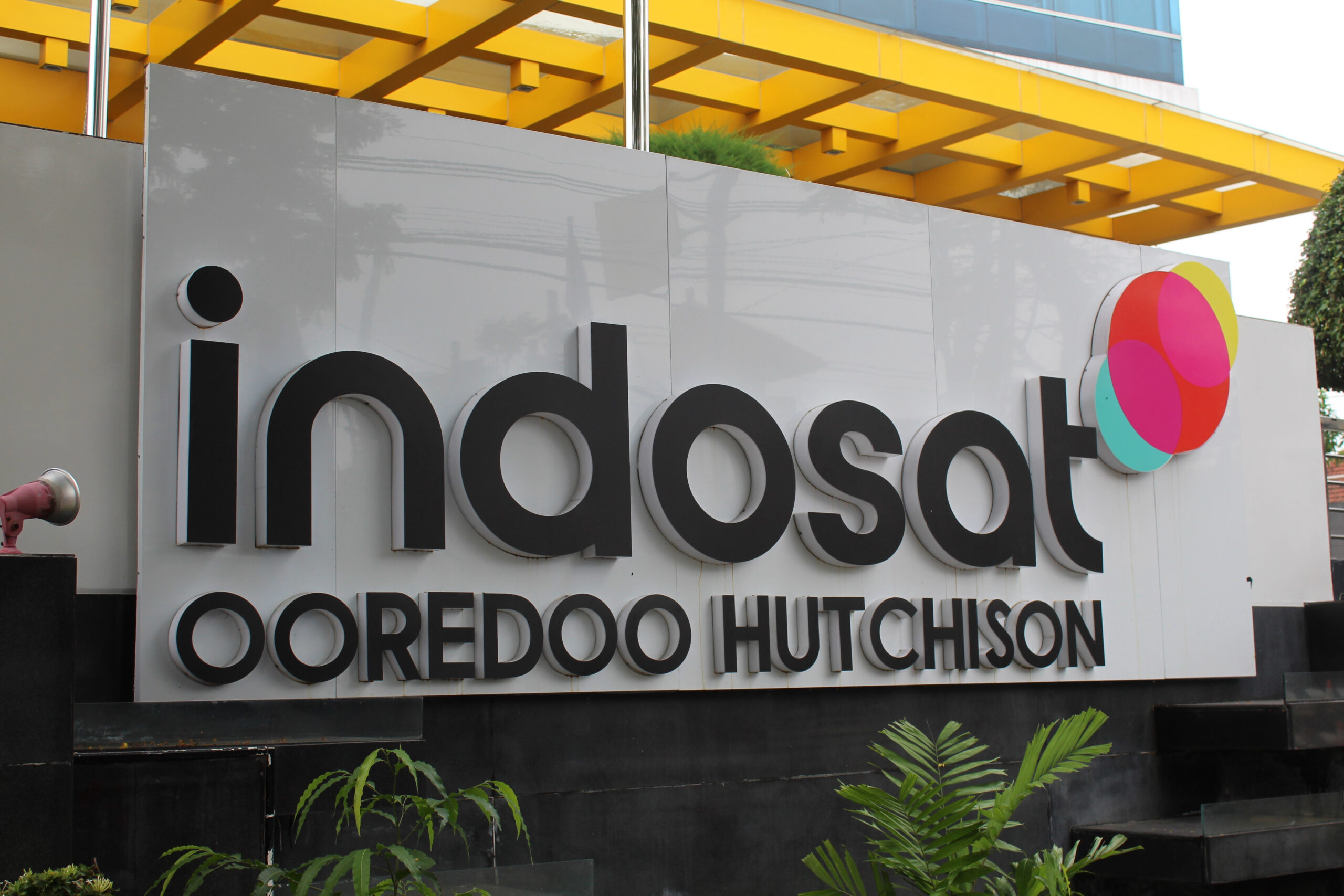
In a transformative move set to redefine Indonesia’s digital landscape, Nokia and Indosat Ooredoo Hutchison have joined forces to propel the nation’s 5G capabilities into the future. This strategic partnership aims to enhance AI-driven IoT connectivity by expanding low-band and mid-band 5G coverage nationwide. As an industry professional, you will recognize the significance of this collaboration in creating robust infrastructure, poised to support a myriad of smart applications and digital services. By integrating advanced radio, automation, and AI-RAN technology, this initiative not only promises to meet burgeoning technological demands but also positions Indonesia at the forefront of global digital innovation.
Strengthening Indonesia’s 5G Infrastructure: A Partnership Between Nokia and Indosat Ooredoo Hutchison
A Strategic Collaboration for Enhanced Connectivity
The collaboration between Nokia and Indosat Ooredoo Hutchison represents a strategic effort to strengthen Indonesia’s 5G infrastructure, paving the way for a robust digital ecosystem. By leveraging Nokia’s advanced radio and automation technologies, the partnership aims to revolutionize connectivity across the nation. This initiative is set to transform network efficiency and performance, ensuring seamless connectivity for both urban and rural areas. Such advancements are not merely technological upgrades but are pivotal in addressing the ever-growing demand for reliable digital services in today’s fast-paced, data-driven world.
Accelerating Digital Transformation with AI-Driven Solutions
Central to this partnership is the integration of AI-RAN (Artificial Intelligence for Radio Access Networks) technology. This innovative approach embeds artificial intelligence into network operations, allowing for smarter, more adaptive network management. By optimizing resource allocation and enhancing operational efficiency, AI-RAN opens new possibilities for IoT (Internet of Things) innovation. This technology enables real-time data processing and decision-making, crucial for applications in various sectors like healthcare, agriculture, and education. The result is an infrastructure capable of supporting a wide spectrum of smart services, tailored to meet the diverse needs of Indonesian society.
Impact on Industries and Society
The expansion of 5G infrastructure through this partnership is poised to have a transformative impact across multiple industries. In healthcare, for instance, enhanced connectivity can lead to improved telemedicine services, while in education, it facilitates access to digital learning resources. Similarly, in the agricultural sector, IoT sensors can optimize resource usage, boosting productivity. The overarching goal of this initiative is not only to modernize Indonesia’s telecommunications landscape but also to empower communities by providing them with tools to innovate and grow in a digitally connected world.
AI-Driven IoT Connectivity: Transforming the Digital Landscape
The Role of AI in Enhancing IoT Connectivity
In recent years, the convergence of artificial intelligence and the Internet of Things (IoT) has reshaped the technological landscape, particularly in the realm of connectivity. By integrating AI into IoT networks, companies like Nokia and Indosat Ooredoo Hutchison are unlocking new realms of possibility. AI-driven IoT connectivity facilitates more efficient data management and processing, allowing devices to communicate with greater speed and accuracy. This integration not only enhances device interoperability but also optimizes network performance, paving the way for real-time data analysis and predictive maintenance.
AI technologies, such as machine learning algorithms, enable IoT systems to adapt and learn from data patterns. This capability significantly boosts the intelligence of connected devices, allowing them to perform complex tasks autonomously. For instance, in a smart city environment, AI could manage traffic systems by analyzing patterns and adjusting signals in real-time to alleviate congestion.
Transforming Industries with Smarter Services
The nationwide 5G expansion, powered by AI-driven IoT, is set to revolutionize various industries across Indonesia. In healthcare, for example, IoT devices equipped with AI capabilities can monitor patient health continuously, providing doctors with up-to-date information and enabling timely interventions. In agriculture, smart sensors and AI analytics can optimize irrigation and fertilization, leading to increased crop yields and resource efficiency.
Education and government sectors are also poised to benefit from these advancements. AI-driven IoT can support personalized learning experiences and streamline administrative processes, enhancing overall service delivery. Moreover, businesses can harness these technologies to improve operational efficiency and create innovative solutions that cater to the evolving needs of their customers.
The Future of AI and IoT Connectivity
As AI continues to advance, its integration with IoT will drive further innovation and growth. The collaboration between Nokia and Indosat Ooredoo Hutchison marks a significant step in this journey, setting a blueprint for future technological endeavors. By harnessing the power of AI-driven IoT connectivity, industries can anticipate a future marked by smarter, more efficient operations and enhanced user experiences. This transformation is not just about technological evolution; it’s about creating a digital ecosystem that enhances lives and drives sustainable growth across Indonesia.
Enhancing Network Efficiency with Advanced Radio and Automation Solutions
Advanced Radio Solutions
The deployment of cutting-edge radio solutions is a pivotal element in transforming Indonesia’s 5G landscape. Utilizing sophisticated radio technologies, Nokia facilitates seamless connectivity across urban and rural areas, ensuring a stable and robust network. The integration of low-band and mid-band frequencies enables expansive coverage while maintaining high-speed data transmission. This strategic approach not only enhances the overall user experience but also supports a multitude of connected devices, from smartphones to IoT applications. By optimizing spectrum usage, the advanced radio solutions contribute significantly to network scalability and efficiency, providing a backbone for future technological innovations.
Automation in Network Management
Automation stands at the forefront of modern network management, driving unprecedented improvements in operational efficiency and performance. By employing intelligent automation tools, Nokia streamlines network operations, reducing the need for manual intervention and minimizing human error. This automated approach ensures that network anomalies are swiftly detected and corrected, maintaining optimal performance even during peak usage times. Furthermore, automation facilitates predictive maintenance, allowing for proactive measures to prevent potential disruptions. As a result, the network remains resilient and adaptable, ready to meet the evolving demands of both consumers and enterprises.
Benefits of Enhanced Efficiency
The synergy between advanced radio solutions and automation leads to a host of benefits for Indonesia’s digital landscape. Enhanced network efficiency translates to faster data speeds and reduced latency, crucial for supporting real-time applications such as telemedicine, remote education, and smart agriculture. Industries across the board can leverage these improvements to innovate and expand, fostering economic growth and digital inclusivity. As Nokia and Indosat Ooredoo Hutchison continue to pioneer these advancements, the potential for smarter, more connected communities becomes increasingly attainable, paving the way for a future where technology seamlessly integrates into daily life.
Exploring AI-RAN Technology for IoT Innovation
Understanding AI-RAN Technology
AI-RAN technology, or Artificial Intelligence Radio Access Network, represents a leap forward in telecommunications, particularly in the realm of IoT (Internet of Things) connectivity. By incorporating AI into network operations, AI-RAN enhances the efficiency and adaptability of radio access networks, which are crucial for transmitting data between connected devices and the broader internet. This technology leverages machine learning algorithms to analyze and optimize network traffic in real-time, ensuring that the network can dynamically adjust to fluctuating demands and diverse service requirements. This ability to self-optimize allows for a more seamless and responsive user experience, which is essential for the thriving ecosystem of smart devices and applications.
Benefits for IoT Connectivity
Integrating AI into RAN operations offers several advantages for IoT connectivity. First, it significantly improves network efficiency by reducing latency and increasing throughput, which are critical for real-time data transmission in applications such as autonomous vehicles and telemedicine. Second, AI-RAN can intelligently allocate network resources, guaranteeing that high-priority devices and applications receive the bandwidth they require without compromising service quality for others. Third, this technology enhances network reliability by predicting and mitigating potential failures before they impact the system, thus minimizing downtime and service interruptions.
Enabling New Possibilities
The use of AI-RAN technology unlocks vast opportunities for innovation in IoT. Industries like healthcare can harness this capability to develop advanced remote monitoring systems, while agriculture can implement precision farming techniques that rely on real-time data analytics. Furthermore, as AI-RAN supports the deployment of massive IoT networks, it paves the way for smart city initiatives, transforming urban living with efficient resource management and improved public services. As Indonesia embraces AI-RAN, it positions itself at the forefront of the digital revolution, ready to harness the full potential of intelligent connectivity.
Accelerating Digital Transformation Across Key Industries in Indonesia
Revolutionizing Healthcare
The introduction of AI-driven IoT connectivity through a nationwide 5G network is set to transform Indonesia’s healthcare sector. With enhanced connectivity, medical facilities can implement real-time patient monitoring systems, leading to faster response times and improved patient outcomes. Remote consultations and telemedicine services will become more efficient, providing healthcare access to underserved regions. Additionally, the integration of AI will enable predictive analytics, allowing medical professionals to make data-driven decisions and enhance preventive care measures.
Enhancing Educational Opportunities
In the realm of education, the expansion of 5G infrastructure offers substantial benefits. Educational institutions stand to gain from virtual classrooms and interactive learning platforms, making quality education more accessible to students across the archipelago. AI-enhanced systems can also personalize learning experiences, catering to individual student needs and fostering a more inclusive educational environment. By providing smart resources and automated administrative tools, educators can focus on delivering high-quality instruction.
Transforming Agriculture and Business
The agricultural sector will experience a significant shift with the deployment of IoT solutions powered by 5G. Smart farming technologies can optimize resource use, enhancing crop yield and reducing waste. AI-enabled sensors and drones can monitor field conditions in real-time, providing critical insights for efficient farm management. Similarly, businesses across industries will benefit from improved operational efficiencies and innovative solutions. With faster data transmission, enterprises can harness big data analytics, drive automation, and innovate their service offerings.
Empowering Government Services
Finally, the government sector will witness a transformation as digital services become more efficient and secure. By utilizing AI and IoT, public services can streamline operations, improve citizen engagement, and enhance transparency. From smart city initiatives to secure data management, the partnership between Nokia and Indosat Ooredoo Hutchison paves the way for a more connected and responsive government infrastructure.
Summary of Findings
In conclusion, the strategic alliance between Nokia and Indosat Ooredoo Hutchison marks a pivotal step in revolutionizing Indonesia’s digital landscape. By leveraging advanced 5G infrastructure and AI-driven IoT connectivity, you are poised to witness unprecedented enhancements in network efficiency and service delivery. This collaboration not only caters to the escalating demand for smart technologies but also paves the way for transformative applications across diverse sectors. As these innovations unfold, you can expect more seamless, intelligent interactions that redefine daily operations and empower industries to thrive in a digitally connected future. The promise of a smarter, more connected Indonesia is now within reach.

Happy
0 %

Sad
0 %

Excited
0 %

Sleepy
0 %

Angry
0 %

Surprise
0 %

