Read Time:8 Minute, 8 Second
The global semiconductor market is evolving as two major players shape its future. Samsung Electronics continues to strengthen its dominance, driven by rising memory chip demand from expanding artificial intelligence infrastructure. Meanwhile, China’s ChangXin Memory Technologies (CXMT) is expanding its global presence to capture a larger share of this lucrative market. As competition intensifies, both companies influence semiconductor supply chains and shape future technological advancements. Understanding their strategies is essential to assessing the industry’s changing dynamics.
Samsung Electronics: Leading the Charge in the Global Memory Market
Strategic Production and Supply Agreements
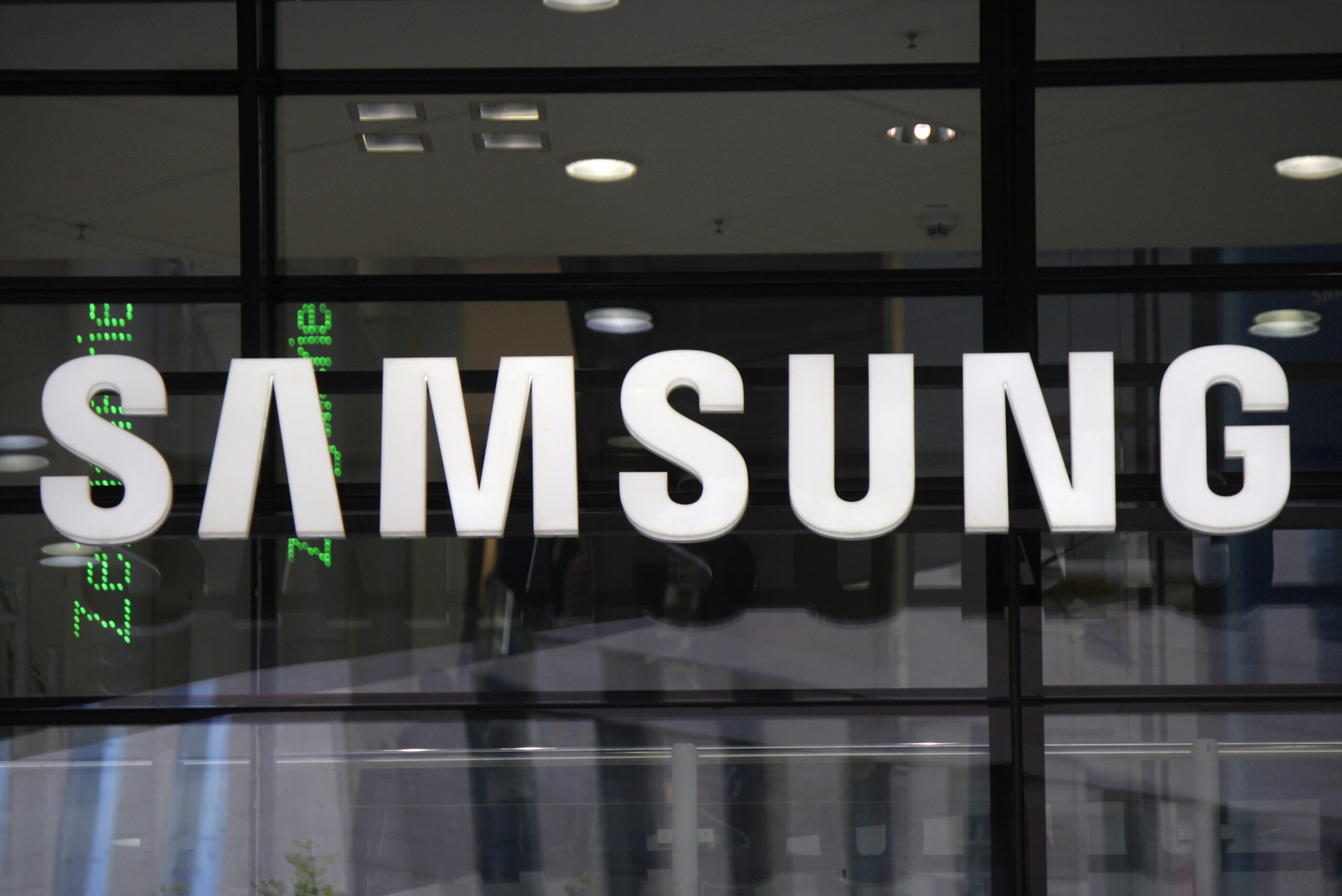
Samsung Electronics has strategically fortified its dominance in the global memory market through comprehensive production and supply agreements. These long-term contracts, anticipated to cover approximately 80% of its memory production by 2027, are pivotal. Such agreements not only ensure stable supply lines but also empower Samsung with significant pricing leverage, a critical advantage in the fiercely competitive semiconductor industry. This foresight in securing supply commitments is especially beneficial as the demand for dynamic random-access memory (DRAM), NAND flash, and high-bandwidth memory (HBM) continues to soar, driven by the burgeoning AI and advanced computing sectors.
Innovation and Technological Leadership
In the ever-evolving landscape of technology, innovation remains the cornerstone of Samsung’s strategy. The company’s relentless pursuit of excellence is evident in its cutting-edge memory solutions, which support the next generation of AI accelerators and sophisticated computing systems. Samsung’s robust portfolio in DRAM and NAND technologies not only caters to current market needs but also sets a benchmark for future developments. The company’s continuous investment in research and development ensures it remains at the forefront of technological advancement, fostering innovations that underpin its market leadership.
Navigating Market Challenges
Despite its strong positioning, Samsung Electronics is not immune to the challenges of a tight semiconductor supply chain. The company anticipates ongoing supply constraints through 2028, a scenario that demands strategic agility and resilience. By leveraging its established partnerships and vast production capabilities, Samsung is well-equipped to navigate these challenges. In doing so, it reinforces its commitment to providing reliable and advanced memory solutions to meet the growing demands of technology companies and infrastructure providers worldwide. This proactive approach not only solidifies its market dominance but also sets a standard for others in the industry to emulate.
AI Infrastructure and the Growing Demand for Memory Chips
AI’s Impact on Memory Chip Demand
The rapid advancement of artificial intelligence is reshaping markets globally, and the memory chip industry is no exception. AI-driven applications, ranging from machine learning algorithms to neural networks, are increasingly hungry for substantial data processing and storage capabilities. This shift is propelling the demand for sophisticated memory solutions like DRAM, NAND flash, and HBM, which are critical for supporting AI accelerators and high-performance computing tasks. As companies look to scale their AI operations, these advanced memory technologies are essential tools in managing vast amounts of data efficiently.
The Role of AI Infrastructure
AI infrastructure comprises various components that must work seamlessly together to optimize performance. Memory chips serve as a pivotal part of this ecosystem, ensuring that data can be processed swiftly and stored reliably. In particular, the adoption of high-bandwidth memory is pivotal for AI-centric tasks, providing the speed and capacity required by AI applications. For organizations seeking to enhance their AI capabilities, investing in robust memory infrastructure is a strategic necessity that can significantly impact overall operational efficiency and effectiveness.
Challenges and Opportunities
While the demand for memory chips is surging, the industry faces several challenges. Tight supply conditions, as forecasted by Samsung through 2028, could constrain availability, posing risks to companies reliant on these components. However, this scenario also presents opportunities for innovation and growth. Manufacturers must focus on enhancing production capacity, improving technology, and ensuring supply reliability to maintain competitiveness. As AI adoption continues to escalate, those who can navigate these complexities will likely secure a significant advantage in the technology landscape.
Long-term Agreements: Securing Samsung’s Memory Production Future
Strategic Partnerships and Agreements
To solidify its foothold in the competitive semiconductor landscape, Samsung Electronics has turned to strategic long-term agreements. By doing so, they are not only securing a steady demand for its memory products but also fortifying its market position. Such agreements are crucial in ensuring stability and predictability in an industry often characterized by volatility and rapid technological advancements. These contracts enable Samsung to plan its production with greater accuracy, aligning supply with projected demand and minimizing the risks associated with sudden market shifts.
The Power of Long-term Commitments
These agreements provide Samsung with a dual advantage: maintaining consistent revenue streams and establishing stronger relationships with key partners. For technology companies dependent on a reliable supply of advanced memory components, such agreements offer a layer of security in planning their own operations. In return, Samsung gains a reputation as a dependable supplier, which is instrumental when technology companies are making critical decisions about whom to trust with their memory needs. This mutual reliance becomes a cornerstone for future collaborations, potentially leading to co-development initiatives and shared innovation.
Reinforcing Market Dominance
By locking in these extensive contracts, Samsung is effectively reinforcing its dominance in the memory sector. The company’s ability to secure long-term agreements underscores its leadership in technology and production capabilities, which are indispensable in meeting the growing demands driven by artificial intelligence and other advanced computing applications. This strategy not only ensures that Samsung remains at the forefront of technological progress but also places it in a pivotal position to influence market trends and set industry benchmarks. As a result, Samsung’s strategic foresight solidifies its role as a key player in the global memory market.
China’s CXMT: An Emerging Player in the Global Semiconductor Arena
CXMT’s Strategic Growth
China’s ChangXin Memory Technologies (CXMT) is rapidly emerging as a formidable contender in the global semiconductor industry. Founded with the ambition to fortify China’s position in memory technology, CXMT has strategically expanded its production capabilities to meet the surge in global demand. By enhancing manufacturing capacity, CXMT aims to attract prominent clients seeking diverse sources of memory components. Such expansion efforts underscore CXMT’s resolve to carve a niche amidst established giants like Samsung and Micron.
Technological Advancements and Partnerships
The allure of CXMT lies not only in its production capacity but also in its focus on technological innovation. Developing competitive dynamic random-access memory (DRAM) solutions, CXMT seeks to offer viable alternatives in a market dominated by a few. Reports of companies like Apple considering CXMT’s technology signal potential shifts in supply dynamics. However, the path to widespread adoption involves rigorous technological qualification and overcoming geopolitical hurdles. Partnerships with global entities could bolster CXMT’s technological credibility and foster a more balanced semiconductor ecosystem.
Challenges and Opportunities
While CXMT is on an upward trajectory, challenges remain. Navigating production limitations and geopolitical tensions are crucial for its sustained growth. Balancing domestic ambitions with global market integration requires strategic finesse. However, as the demand for advanced computing and AI accelerates, CXMT stands poised to capitalize on opportunities, provided it can maintain supply reliability and technological robustness. This evolving landscape could redefine traditional supply chains, offering CXMT a chance to reshape its role within the global semiconductor narrative.
The Impact of Geopolitical and Technological Factors on Memory Market Dynamics
Geopolitical Tensions and Market Influence
The global memory market is deeply intertwined with geopolitical dynamics, which significantly affect its ebb and flow. Tensions between countries, particularly those involving key players like the United States, China, and South Korea, can alter the landscape of semiconductor manufacturing and distribution. Trade restrictions, tariffs, and sanctions often dictate how memory technology is shared and accessed. For instance, the escalating U.S.-China trade tensions have led to tighter controls over semiconductor exports, affecting China’s access to advanced memory technologies. These geopolitical maneuvers not only impact the efficiency and cost of production but also influence strategic partnerships and competitive positioning within the industry.
Technological Innovations and Challenges
Innovation drives the memory market, with companies constantly pushing the envelope to develop faster, more efficient memory solutions. As artificial intelligence and machine learning applications grow, the demand for cutting-edge memory technologies expands. High-bandwidth memory (HBM) and dynamic random-access memory (DRAM) are at the forefront, promising enhanced performance and reduced latency for AI-driven tasks. However, technological advancement is not without its hurdles. The complexity of producing advanced memory solutions requires significant research investments and highly skilled labor, presenting barriers to entry for new or smaller players like CXMT. While established giants such as Samsung continue to set the pace, emerging companies strive to keep up amid these challenges.
Balancing Risk and Opportunity
Navigating the memory market requires balancing risks and opportunities inherent in geopolitical and technological factors. Companies must remain agile, adapting their strategies to the shifting political landscape and evolving technological demands. Smart investments in research and development, coupled with strategic alliances, can counteract potential disruptions and capitalize on emerging opportunities. Ultimately, the capacity to manage these dynamics will determine a company’s ability to sustain and grow its market share in the ever-competitive memory industry.
Core Insights
In this evolving landscape, you are witnessing a pivotal moment in the semiconductor industry as Samsung Electronics continues to fortify its dominance against emerging competitors like China’s CXMT. As AI and advanced computing systems escalate demand, Samsung’s strategic long-term agreements not only secure its market position but also set a benchmark for stability and innovation. Conversely, CXMT’s ambitions highlight the dynamic shifts underway, though geopolitical and technological hurdles remain. As these powerhouses navigate the complexities of supply and demand, you are poised to observe significant transformations in global memory sourcing. This ongoing evolution will undoubtedly shape the future of technology and its accessibility.

Happy
0 %

Sad
0 %

Excited
0 %

Sleepy
0 %

Angry
0 %

Surprise
0 %