Read Time:9 Minute, 3 Second
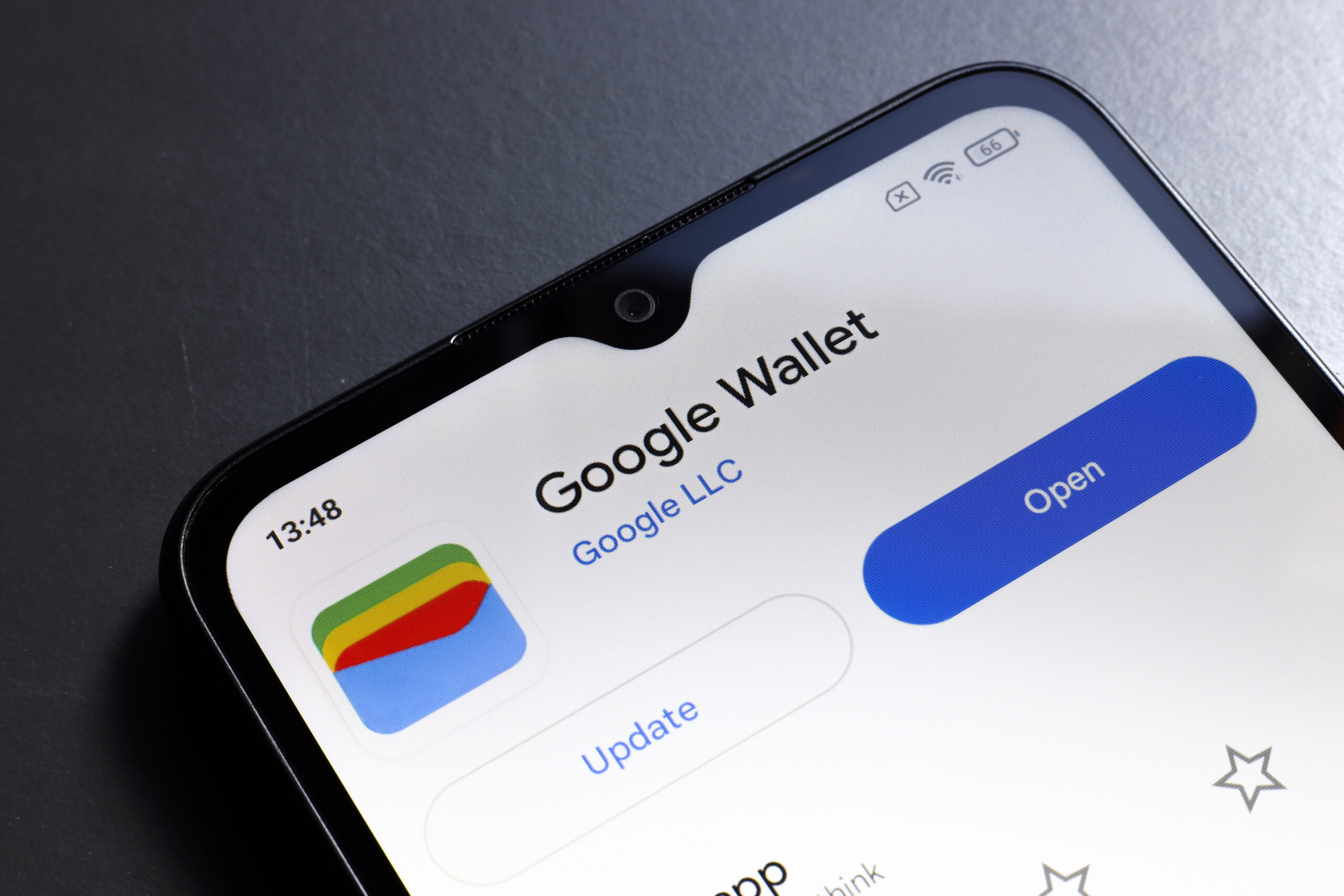
In an ambitious stride towards broadening its digital domain, Google has unveiled its Google Wallet application for iPhone users in the United States. This strategic move signals a significant expansion of Google’s app ecosystem, traditionally centered around Android devices. As an iPhone user, you can now seamlessly organize loyalty cards, membership cards, event tickets, and more, all within one app. While Google Wallet enhances your ability to manage digital credentials, it currently lacks the tap-to-pay feature on iOS, compelling you to rely on Apple Wallet for in-store transactions. Nonetheless, this launch underscores Google’s commitment to diversifying its reach across mobile platforms.
The Launch: Google Wallet Arrives on iPhone in the US
A Strategic Expansion
The introduction of Google Wallet on iPhones marks a significant milestone in Google’s strategic expansion into diverse mobile ecosystems. By venturing beyond its native Android platform, Google is clearly signaling its ambition to offer a seamless digital wallet experience to a broader audience. This move not only fortifies Google’s presence in the competitive app market but also showcases its commitment to providing flexibility and choice to consumers regardless of the device they use.
Features and Functionalities
Google Wallet arrives on iPhone with a robust set of features designed to streamline and enhance digital organization. Users can efficiently manage an array of digital credentials, ranging from loyalty cards to boarding passes, all in one centralized application. The integration with Google’s suite of services further extends its functionality, allowing users to receive purchase confirmations, track receipts, and monitor package deliveries directly through the app. This connectivity provides users with a cohesive experience, simplifying the process of managing various digital assets.
Limitations and Future Prospects
While the introduction of Google Wallet on iPhone is a step forward, it does come with certain limitations, particularly the absence of contactless tap-to-pay functionality. This feature, crucial for seamless in-store transactions, remains exclusive to Apple Wallet users on iOS devices. However, Google’s foray into the iPhone ecosystem lays the groundwork for future enhancements. With plans to integrate AI-powered shopping experiences, Google is poised to transform Wallet into a comprehensive platform for managing digital commerce, potentially evolving beyond its current capabilities. The current US-only availability suggests that Google is taking a measured approach, likely paving the way for a broader international rollout.
Key Features of Google Wallet for iPhone Users
Seamless Organization of Digital Credentials
Google Wallet for iPhone users introduces a streamlined approach to managing digital credentials. By centralizing various cards like loyalty, membership, and event tickets, the app transforms the iPhone into a versatile digital wallet. This feature eliminates the clutter of physical cards and paper tickets, ensuring you have everything you need within a single application. The convenience of storing boarding passes for swift airport check-ins or organizing event tickets for easy access is now at your fingertips. This functionality not only enhances personal organization but also contributes to a more sustainable, paper-free lifestyle.
Quick and Easy Card Scanning
One of the standout features of Google Wallet is its ability to scan physical membership cards using the iPhone’s camera. This effortless process involves capturing the card details and securely saving them within the app, allowing you to carry fewer physical items while maintaining accessibility to important memberships and loyalty programs. This feature is designed with user-friendliness in mind, ensuring the process is intuitive and efficient.
Integration with Google Services
Google Wallet enhances its value proposition by integrating seamlessly with various Google services. Users can access purchase confirmations, view receipts, and receive package delivery updates directly from the app. This comprehensive integration ensures that all relevant information from your Google ecosystem is readily available, enhancing your shopping and tracking experience. While this feature is particularly beneficial for Android users, iPhone users can now tap into this ecosystem, broadening their options for digital management and connectivity.
Limitations and Potential
While Google Wallet on iPhone offers a robust suite of features, its lack of contactless tap-to-pay functionality remains a notable limitation. This means iPhone users must rely on Apple Wallet or other payment apps for in-store transactions. However, the introduction of Google Wallet to the iOS platform signals a strategic move by Google to broaden its app ecosystem, potentially paving the way for future enhancements and features that could further close the gap with Apple’s offerings.
Comparing Google Wallet and Apple Wallet: Benefits and Limitations
Key Features of Google Wallet and Apple Wallet
Google Wallet and Apple Wallet each carve out a niche in the digital wallet landscape by offering distinct features tailored to their respective ecosystems. Google Wallet, newly available on iPhone, aims to streamline the management of digital credentials such as loyalty cards, membership cards, and event tickets. With its integration into Google’s suite of services, it also provides access to purchase confirmations and package delivery updates, enriching the user’s organizational experience. On the other hand, Apple Wallet is deeply embedded within the iOS framework, offering seamless integration with Apple’s existing services, including Apple Pay for contactless payments. This feature is a cornerstone of the Apple Wallet experience, allowing users to complete in-store transactions with a mere tap of their iPhones.
Limitations and Potential Improvements
While Google Wallet has opened new doors for iPhone users, it is not without its limitations. The absence of contactless payment functionality on iOS devices is a significant drawback, especially considering that Apple Wallet excels in this area. Users may find themselves relying on Apple Wallet or other payment options for in-store transactions, highlighting an area ripe for improvement in future updates. Furthermore, Google Wallet’s initial release being restricted to the United States limits its global reach, although expansion plans could enhance its appeal and accessibility. In contrast, Apple Wallet enjoys a well-established global presence, making it a more universally accessible solution for users worldwide.
Navigating the Ecosystems
Understanding the ecosystems these wallets operate in is crucial for users. Google Wallet’s strength lies in its integration with Google’s broad ecosystem, offering cross-platform functionality that can be particularly appealing to users who already rely on Google services. Conversely, Apple Wallet’s strengths are its ease of use within the iOS environment and the convenience of contactless payments. Users must weigh these factors when choosing a digital wallet, considering both current capabilities and potential future developments.
The Future of Google Apps Ecosystem: Beyond Android
Google Wallet’s Integration: A Pathway to Universal Accessibility
With the advent of Google Wallet on iPhone devices, Google is signaling its intent to broaden its applications beyond the Android platform, embracing a multilateral approach to mobile technology. This strategic move symbolizes a significant step towards creating a more inclusive user environment, where the lines between operating systems blur, allowing a seamless digital experience.
One of the most compelling aspects of this expansion is the potential for enhanced connectivity between different Google services. By integrating Google Wallet into the iPhone ecosystem, Google is not only diversifying its user base but also creating a cohesive platform that leverages its existing services. Users can expect a unified experience where digital purchases, loyalty programs, and event management are synchronized across devices, reducing the friction often encountered when using multiple apps.
Leveraging AI for a Smarter Shopping Experience
Artificial Intelligence (AI) is poised to play a pivotal role in this ecosystem expansion. Google has long been at the forefront of AI development, and its application in the realm of digital wallets could redefine how users interact with their finances. By harnessing AI, Google Wallet aims to provide users with personalized shopping insights, advanced transaction monitoring, and predictive financial analytics. This not only enhances user convenience but also empowers consumers with information to make informed financial decisions.
Challenges and Opportunities Ahead
While the launch of Google Wallet on iPhone represents a significant milestone, challenges remain. The absence of tap-to-pay functionality is a notable limitation, reflecting the complexities of integrating fully with non-Google platforms. However, this presents an opportunity for Google to innovate and possibly develop novel solutions that could set new standards in digital payment technology.
In conclusion, Google’s expansion of its app ecosystem signifies a forward-thinking approach, one that prioritizes accessibility and integration. As Google continues to refine its offerings, users across diverse platforms stand to benefit from a more interconnected and intelligent digital experience.
What’s Next for Google Wallet: International Expansion Plans and AI Integration
International Expansion on the Horizon
With the initial launch confined to the United States, Google Wallet’s path to international expansion is a topic of significant interest. Google’s strategy tends to involve careful analysis of market demand and regulatory environments before broadening the availability of its services globally. It is anticipated that the company will adopt a similar methodology for Google Wallet, likely beginning with key markets in Europe and Asia. These regions, already well-accustomed to comprehensive digital payment solutions, offer fertile ground for Google to introduce its Wallet app. This expansion will not only increase the app’s user base but also enhance its competitive positioning against established rivals like Apple Wallet.
AI Integration: A Transformative Outlook
Google’s ambition to integrate artificial intelligence into Google Wallet promises to revolutionize the user experience. AI capabilities could streamline transaction management by predicting user needs and offering personalized suggestions based on past purchasing behavior. Imagine having a digital assistant that preemptively alerts you to upcoming payment deadlines or suggests budget adjustments in real-time. Such features could position Google Wallet as more than just a repository for digital cards and credentials; it could evolve into a central hub for financial management.
Moreover, integrating AI-driven insights into Google Wallet could pave the way for advanced shopping experiences, leveraging Google’s automated tools. By harnessing AI, Google can offer users a seamless blend of organizational efficiency and smart shopping capabilities. This potential for innovation underscores Google’s commitment to enhancing digital interactions across diverse platforms and devices.
Challenges and Opportunities
Despite its promising future, Google Wallet faces hurdles, notably the absence of contactless payment functionality in its iOS iteration. This limitation may pose a challenge for widespread adoption among iPhone users. However, addressing this gap could present a significant opportunity for Google to refine its offering and further challenge market incumbents.
Final Analysis
In launching Google Wallet on the iPhone, Google takes a significant step in broadening its digital ecosystem, inviting iOS users into a more integrated and organized digital experience. While the absence of tap-to-pay functionality may seem a notable omission, the application’s robust features offer substantial utility, streamlining the management of digital credentials and purchases. This strategic move not only diversifies Google’s reach but also signals future enhancements that could redefine mobile commerce for iPhone users. As Google continues to innovate and expand, you stand on the brink of a more connected and seamless digital journey, enriched by Google’s visionary leadership.

Happy
0 %

Sad
0 %

Excited
0 %

Sleepy
0 %

Angry
0 %

Surprise
0 %
