
Read Time:7 Minute, 58 Second
In the fast-changing world of artificial intelligence, China Unicom advances with a new state-of-the-art data center in Xining, Qinghai. This major project, supported by large investment and advanced technology, highlights China’s strategic push for technological self-sufficiency. Moreover, the facility uses domestically developed AI chips, marking a milestone in national innovation. It also follows government directives to prioritize local resources over foreign imports. As China Unicom expands its computing power, it strengthens its place in the global AI race. Consequently, this signals a new era of digital independence and technological strength.
Unveiling China Unicom’s Locally Built Data Center
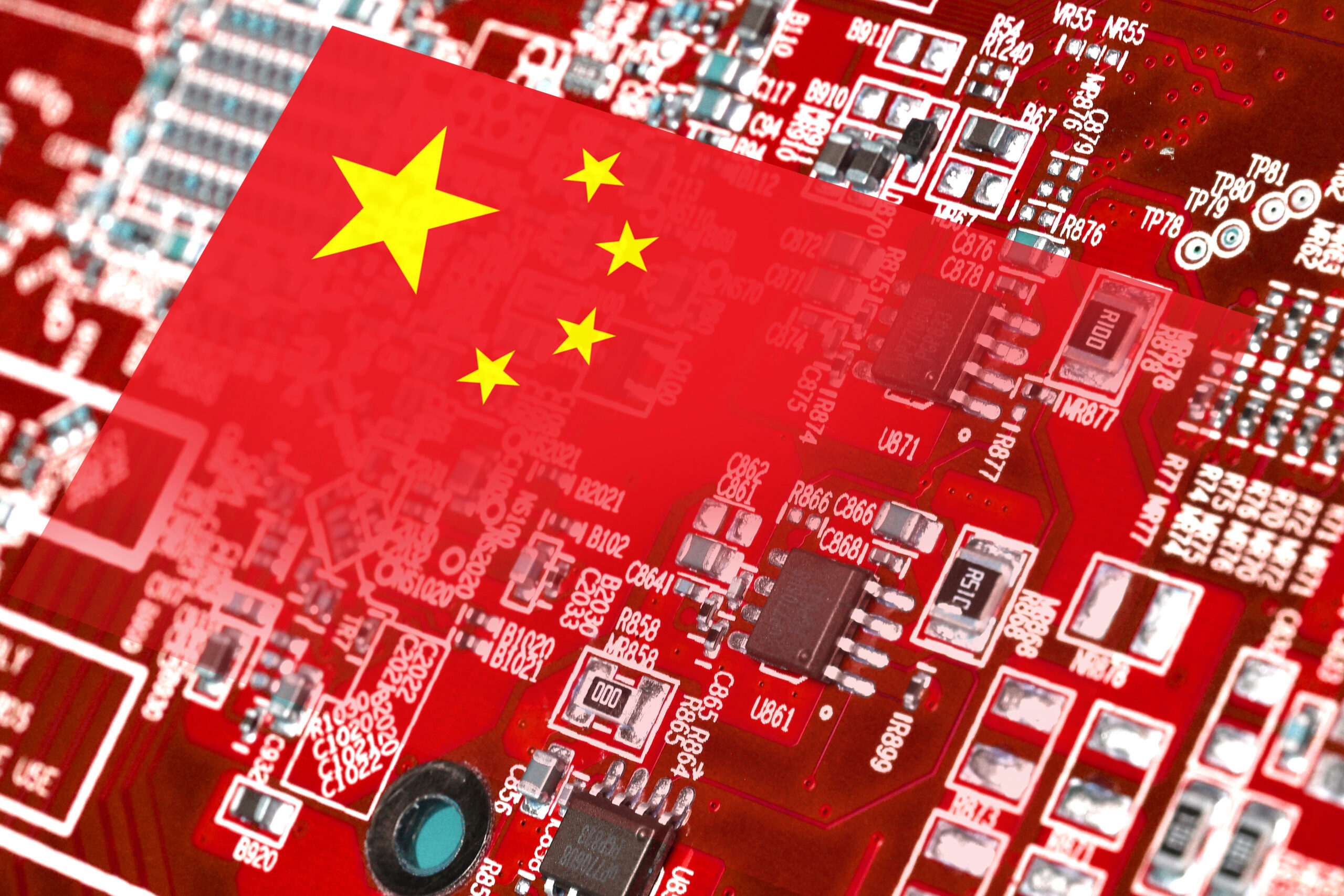
Harnessing Domestic AI Power
China Unicom’s new data center in Xining, Qinghai Province, marks a major step in advancing the nation’s technological growth. It runs entirely on domestically engineered AI chips, showcasing China’s rising innovation and commitment to self-reliance in high technology. The center already delivers 3,579 petaflops of computing capacity, highlighting its significant scale. Moreover, plans aim to expand this to 20,000 petaflops in future phases, setting a stronger benchmark in AI performance.
Strategic Partnerships and Contributions
A significant portion of the facility’s AI infrastructure is supported by Alibaba’s T-Head unit, which supplies around 72 percent of the chips. This collaboration underscores the critical role of collaborative synergies among leading Chinese tech firms in fostering homegrown technological advancement. Contributions from MetaX, Biren Tech, and Zhonghao Xinying further enrich the center’s capabilities, enhancing its robustness and operational efficacy. As the data center evolves, future upgrades will incorporate processors from Tecorigin, Moore Threads, and Enflame, ensuring that the facility remains at the cutting edge of AI computing.
Alignment with National Priorities
In an era where technological supremacy is pivotal, China Unicom’s data center is a strategic national asset. Aligning with government mandates to reduce dependency on foreign technology, it reflects a broader commitment to securing technological sovereignty. The facility not only strengthens China’s position in the global AI race but also fortifies critical digital infrastructure. Through this project, China Unicom is not just expanding its computing prowess but is actively contributing to the national agenda of technological independence and innovation leadership.
The Role of AI Chips in Expanding Computing Power
The Power of AI Chips
AI chips are driving a major transformation in computing power. These specialized processors efficiently manage complex tasks that traditional chips cannot handle. They excel in deep learning and neural network computations, enabling faster and smarter processing. By integrating AI chips, data centers process massive data volumes at unprecedented speeds. This ensures rapid analysis and real-time decision-making capabilities. Furthermore, this advancement boosts operational efficiency and creates opportunities for greater innovation across various industries. Consequently, AI chips are shaping the future of technology.
Domestic Innovations in Chip Design
In China Unicom’s new data center, the investment in locally developed AI chips represents a strategic move towards technological self-sufficiency. These homegrown chips are tailored to meet specific national needs, reducing dependency on foreign technology providers. Alibaba’s T-Head unit, for example, supplies a significant portion of these chips, showcasing the prowess of domestic firms in the competitive global market. This shift towards locally-produced technology aligns with broader national goals of fostering innovation within China’s borders.
Achieving Scalability and Efficiency
One of the key advantages of employing AI chips is their ability to scale computing power efficiently. The initial capacity of 3,579 petaflops at the Xining data center is a testament to this scalability, with plans to expand to 20,000 petaflops. Such scalability is crucial for supporting advanced AI operations and data-intensive applications. With future upgrades incorporating diverse processor technologies, including contributions from Tecorigin and Moore Threads, the data center is poised to become a powerhouse of computational efficiency and capability.
By embracing AI chips, China Unicom not only boosts its own operational capacities but also reinforces China’s position in the global AI landscape. The strategic implementation of these advanced technologies ensures that the nation remains at the cutting edge of digital innovation and sovereignty.
Strategic Investments and Future Expansion Plans
Building on a Robust Foundation
China Unicom’s strategic investments signify a robust commitment to advancing its capabilities in artificial intelligence and computing. The substantial investment of nearly US$390 million underpins the construction of the Xining data center, setting a strong foundation for future growth. This financial commitment underscores China Unicom’s dedication to reinforcing its technological infrastructure and scaling its AI computing power. With an initial computing capacity of 3,579 petaflops, this facility is positioned as a frontrunner in the AI domain, paving the way for significant technological advancements.
Vision for Expansion
China Unicom’s plans to escalate its computing capacity to 20,000 petaflops in subsequent phases reflect a clear vision for expansion. This ambitious trajectory highlights the company’s proactive approach to not only meeting current demands but also anticipating future needs in AI and data processing. By integrating advanced processors from Tecorigin, Moore Threads, and Enflame, the facility is poised to enhance its performance, ensuring that it remains at the cutting edge of technological progress.
Aligning with National Priorities
The deliberate choice to source over half of its hardware domestically aligns perfectly with China’s broader national priorities. Amid governmental mandates to reduce reliance on foreign suppliers, China Unicom’s initiative bolsters the country’s push for technological self-reliance and independence. This move not only strengthens the national economy but also positions China Unicom as a pivotal player in the global AI race, reinforcing its stature on the international stage.
In summary, China Unicom’s strategic investments and plans for future expansion are a testament to its commitment to innovation, national alignment, and technological leadership.
Meeting China’s Technological Independence Goals
Strategic Development of Domestic AI Ecosystems
China Unicom’s ambitious data center initiative in Xining is more than a testament to technological advancement; it is a critical step towards achieving national self-sufficiency in AI and computing technology. By leveraging domestically produced AI chips, the initiative aligns with China’s strategic goals of fortifying its own technological ecosystem. The data center is a beacon of China’s pivot towards self-reliance, especially relevant under current government policies mandating reduced dependence on foreign technologies. Such measures empower local enterprises, fostering innovation and growth within the domestic tech landscape.
Enhancing Local Industry and Innovation
The integration of chips from leading Chinese tech firms like Alibaba’s T-Head, MetaX, and Biren Tech underscores a collaborative effort to strengthen national competencies. As these companies contribute significantly to the data center’s infrastructure, they bolster their own capabilities and stimulate homegrown innovation. This strategic collaboration empowers China to build a robust technological framework that is less vulnerable to international pressures and restrictions.
Redefining Global Competitiveness
By enhancing local technological capabilities, China is not only meeting its own independence goals but is also redefining its competitive stance on the global stage. The expansion of AI computing power to 20,000 petaflops positions China Unicom as a formidable player in the global AI race, illustrating China’s commitment to securing technological dominance. This move is a clear indication of China’s intent to exert greater influence on global technology standards and practices, ultimately aspiring to shape the future of digital infrastructure worldwide.
In essence, as China Unicom expands its data center capabilities, it is more than just a technological upgrade; it is a strategic initiative that aligns with national priorities and global aspirations.
The Impact on Global AI Infrastructure and Competition
Shifting the Balance of Power
The emergence of China Unicom’s cutting-edge data center is poised to significantly alter the global landscape of artificial intelligence infrastructure. By harnessing locally developed AI chips, China has not only elevated its technological capabilities but also set a benchmark for innovation-driven self-sufficiency. This shift marks a pivotal moment whereby China is challenging the dominance of Western tech giants, traditionally reliant on imported processing units. Such advancements position China as a formidable player in the international arena, redefining the competitive dynamics of AI technology.
Strategic Advantages of Domestic Production
The strategic emphasis on domestic chip production offers China several advantages. Foremost, it reduces vulnerability to geopolitical tensions that could disrupt supply chains and impact access to foreign technology. By developing homegrown solutions, Chinese technology firms can ensure a steady, secure supply of essential components, maintaining the continuity of their AI endeavors. Furthermore, this self-reliance bolsters national security by safeguarding sensitive data within China’s borders, reinforcing control over its digital infrastructure.
Implications for Innovation and Collaboration
China’s commitment to AI advancement extends beyond national borders, fostering a competitive yet collaborative environment. As domestic companies like Alibaba, MetaX, and others push the boundaries of AI research, they contribute to a vibrant ecosystem ripe for international partnerships. These collaborations can drive global innovation, offering diversified perspectives and solutions to complex technological challenges. By spearheading such initiatives, China not only advances its own AI capabilities but also invites global stakeholders to engage in mutually beneficial exchanges, enriching the worldwide AI discourse.
Key Highlights
China Unicom’s new data center represents a major leap in the nation’s journey toward technological self-sufficiency. It leverages domestic innovation and builds collaborations with leading Chinese tech firms. This initiative aligns with national policies and sets a precedent for future AI computing developments. Furthermore, it highlights a pivotal moment where China strengthens its position in the global digital landscape. The project also emphasizes a broader vision of resilient, independent infrastructure. Consequently, China aims to remain at the forefront of the AI revolution, shaping a future defined by innovation and self-reliance.

Happy
0 %

Sad
0 %

Excited
0 %

Sleepy
0 %

Angry
0 %

Surprise
0 %