Read Time:8 Minute, 10 Second
In an era where communication transcends borders, Google Translate’s latest evolution marks a significant milestone in delivering precise and contextually aware translations. By harnessing the power of AI-driven contextual understanding, Google Translate now offers an unprecedented level of accuracy, transforming how users interact with multilingual content. The integration of advanced AI models, such as Google’s Gemini technology, allows the platform to grasp nuances like tone and idiomatic expressions, ensuring translations resonate with the intended meaning. As you delve into this article, discover how these enhancements are poised to redefine the landscape of global communication and data interpretation.
Understanding the Evolution: Google Translate and Context-Aware AI
The Journey from Literal to Contextual Translation
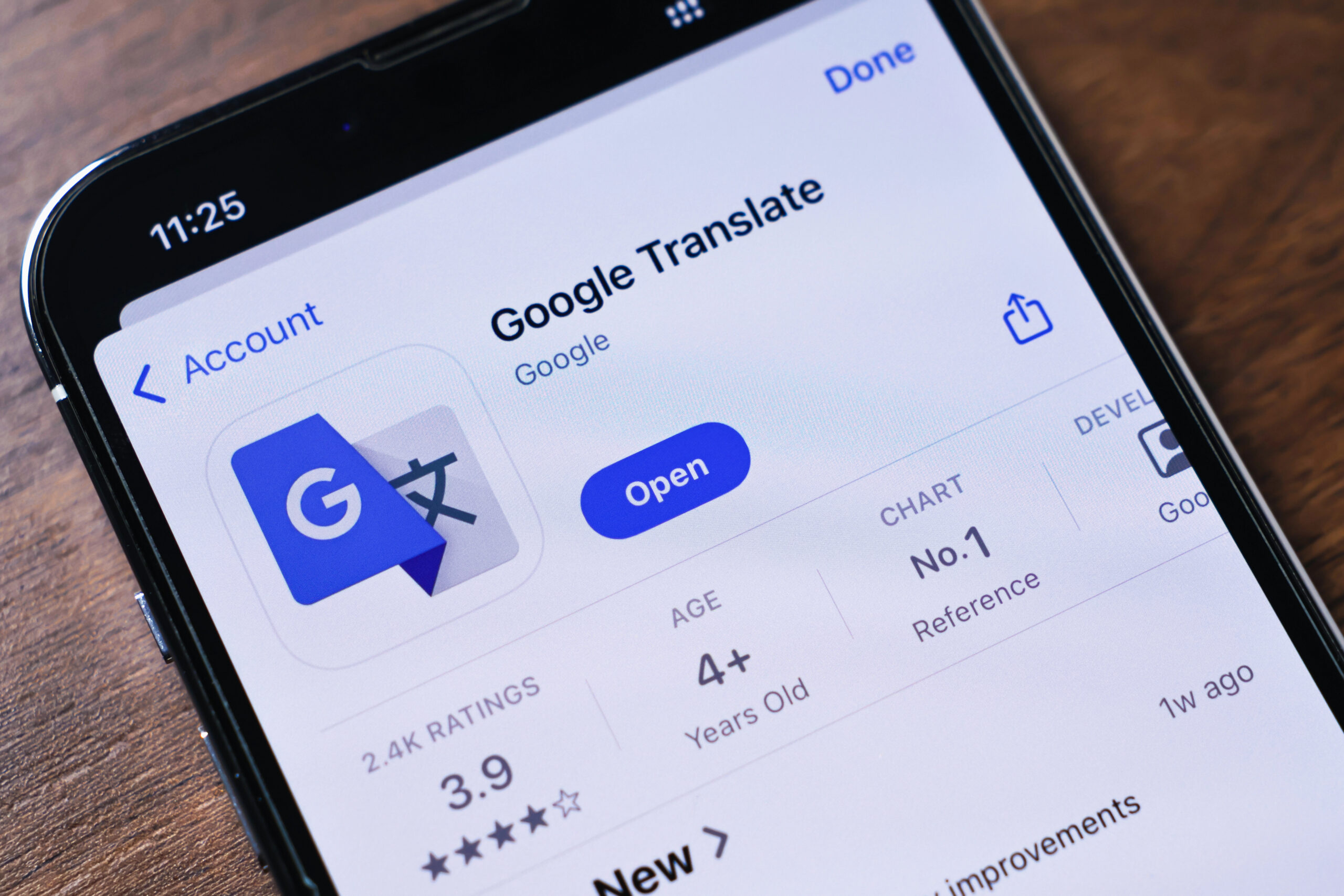
Google Translate’s evolution from a rudimentary word-for-word translation tool to a sophisticated, context-aware language service marks a significant milestone in the realm of linguistic technology. Initially, translations were limited by a literal approach, often leading to misunderstandings due to the complex nature of language. With the integration of context-aware AI, Google Translate now interprets language more holistically. The system leverages Google’s advanced AI models, including Gemini, to recognise nuances such as tone, idiomatic expressions, and regional dialects. This shift ensures that translations are not merely accurate in vocabulary but are rich in cultural and contextual meaning, aligning closely with the user’s intention.
How Context-Aware AI Enhances Communication
The use of context-aware AI in Google Translate facilitates a deeper understanding of the intricate layers of human communication. Language is more than just words; it is an expression of culture, emotion, and intent. By interpreting these facets, Google Translate bridges the gap between languages, enabling more meaningful and effective intercultural communication. This transformation is crucial for users who rely heavily on translation for business, travel, or daily interactions. The ability to accurately reflect the original sentiment and cultural context of a message enhances both personal and professional exchanges, fostering better global connections.
Interactive Features Empowering Users
To make translations even more user-friendly, Google has introduced interactive features like “understand” and “ask,” which are now available in select regions. These tools allow users to delve deeper into translation options and receive explanations for different interpretations. Such features empower users to make informed decisions about the nuances that best fit their needs, providing a platform for learning and exploration in foreign languages. This initiative is part of Google’s broader mission to leverage AI for smarter, more precise translation services, ultimately enhancing the user experience by making communication across languages seamless and intuitive.
The Role of AI in Enhancing Translation Data Accuracy
Contextual Understanding in Language Translation
In the realm of language translation, context plays a pivotal role in ensuring accuracy and relevance. Traditional translation systems often fall short when navigating the nuances of idiomatic expressions, tone, and regional dialects. This is where artificial intelligence (AI) steps in as a game-changer. By integrating advanced AI models, such as Google’s Gemini technology, translation systems can now discern the subtleties of language. This results in translations that are not merely literal but resonate with the intended meaning and emotional undertone, providing users with a more authentic communication experience.
AI-Driven Insight and Interpretation
The infusion of AI into Google Translate represents a shift from basic word-for-word translations to a model that offers deep insight and interpretation. AI algorithms analyse large datasets to recognise patterns and linguistic variations, enabling more informed and precise translations. By understanding context, AI can adapt translations to suit different cultural and linguistic backgrounds, thus enhancing user satisfaction. This capability is particularly beneficial for businesses and individuals who require accurate communication across diverse regions, ensuring the clarity and efficacy of their interactions.
Transforming User Experience with Interactive Features
Google’s recent update extends beyond mere translation by introducing interactive features that enhance user engagement. With options like “understand” and “ask,” users are empowered to explore alternative translations and gain a deeper understanding of complex phrases. This interactive approach not only enriches the user experience but also fosters learning, allowing users to navigate language barriers with greater confidence. By transforming translation data into a more dynamic, context-aware tool, Google underscores its commitment to fostering global communication and understanding through cutting-edge technology.
How Google’s Gemini Technology Transforms Language Interpretation
The Power of Contextual Understanding
Google’s Gemini technology is at the forefront of transforming how we understand and interpret languages. By moving beyond literal word-to-word translation, Gemini integrates contextual awareness into Google Translate. This ability to decipher context enables the system to recognise the nuances of language, such as tone and idiomatic expressions, which are often lost in traditional translation methods. By doing so, it captures the intended meaning behind phrases rather than just the direct translation of words.
Embracing Regional and Cultural Nuances
Language is not only about words but also about cultural and regional subtleties. Gemini technology enhances Google Translate’s capacity to accommodate these differences. By considering regional dialects and cultural contexts, it provides translations that are more attuned to local expressions. This is particularly vital for users in diverse linguistic landscapes, such as India and the U.S., where regional variations are prominent. Recognising these subtleties ensures that communication remains effective and authentic across different cultures.
Interactive Features for Enhanced User Experience
The integration of Gemini technology brings along engaging features like “understand” and “ask,” empowering users to explore translation options and gain deeper insights into meanings. These interactive elements translate to a more engaging experience, allowing users to interrogate and understand the data behind the words. By offering explanations and alternatives, these features enhance user comprehension and provide a platform for learning and curiosity.
In essence, Google’s Gemini technology is not just a tool but a bridge that enhances multilingual communication by making translations meaningful and culturally relevant.
Exploring Interactive Features: “Understand” and “Ask” in Google Translate
Understand: Delving Deeper into Context
The “Understand” feature in Google Translate is a revolutionary tool designed to bridge the gap between basic translation and nuanced comprehension. This feature empowers users by offering contextual explanations that go beyond mere word-for-word conversion. When a phrase or sentence is translated, the “Understand” option provides users with additional insights into the meaning, tone, and nuances of the original text. This is particularly advantageous for idiomatic expressions and culturally specific phrases that may not have direct translations. By harnessing advanced AI algorithms, Google Translate can offer explanations that consider the subtleties of language, such as regional dialects and colloquialisms. This capability ensures that users can grasp the true intent and emotion behind the words, enhancing communication and promoting deeper understanding.
Ask: Interactive Exploration of Alternatives
Complementing the “Understand” feature, the “Ask” function invites users to actively engage with translations by exploring alternative interpretations or translations. This interactive aspect enables users to ask questions and seek clarifications about the translated text directly within the app. By providing a platform for inquiry, Google Translate empowers users to tailor translations to better suit specific contexts or preferences. Whether one is translating a business document or a personal message, the ability to ask for alternative translations can be invaluable in achieving the most accurate and contextually appropriate outcome. Furthermore, this feature supports language learners by offering explanations and variations that aid in language acquisition and comprehension.
Together, these interactive features mark a significant evolution in translation technology. They not only improve accuracy but also enrich the user experience by transforming static translations into dynamic, context-aware dialogues. As Google continues to refine these tools, users can expect even greater advancements in how we process and understand languages across the globe.
The Impact of Contextual Understanding on Multilingual Communication
Bridging Language Barriers More Effectively
Incorporating contextual understanding into Google Translate marks a significant leap in overcoming language barriers. With the enhanced ability to interpret nuances such as tone, idiomatic expressions, and regional dialects, translations become more meaningful and accurate. This is particularly beneficial for users engaged in international business, educational exchanges, or cultural explorations, where the richness of meaning is critical. By providing translations that consider the cultural and linguistic subtleties, Google Translate empowers users to engage in more natural and effective communication across different languages.
Enhancing User Experience with Interactive Features
The introduction of interactive features like “understand” and “ask” transforms the user experience, offering a more engaging and educational interaction with the translation process. These features enable users to explore alternative translations and gain deeper insights into the language’s structure and meaning. This not only facilitates more accurate translations but also enhances the learning experience for users seeking to improve their language skills. By making translations more interactive, Google Translate fosters a more informed and involved user community.
Supporting Global Communication and Collaboration
With its upgraded context-aware capabilities, Google Translate plays a pivotal role in supporting global communication and collaboration. Businesses operating in multilingual environments can now rely on more precise translations to communicate with partners and clients worldwide. Additionally, this advancement supports researchers, students, and professionals who depend on accurate translation data for analysis and information exchange. By leveraging AI to deliver smarter, contextually informed translations, Google reinforces its commitment to breaking down linguistic barriers and fostering a more connected world.
Summary of Findings
In embracing context-aware AI, Google Translate marks a significant leap forward in the realm of digital communication. As you explore these enhanced features, you will find that translations evolve beyond mere text conversion, embracing the subtleties and nuances of human language. This development not only aligns with Google’s mission of breaking down language barriers but also empowers you to engage with global audiences more effectively. By leveraging the power of contextual understanding, you are equipped to navigate the complexities of language with precision and confidence, ensuring that your communications resonate with authenticity and clarity across diverse linguistic landscapes.

Happy
0 %

Sad
0 %

Excited
0 %

Sleepy
0 %

Angry
0 %

Surprise
0 %