Read Time:8 Minute, 10 Second
As a forward-thinking researcher or technology enthusiast, you are undoubtedly aware of the seismic shifts occurring in the realm of supercomputing. The Pawsey Supercomputing Centre in Perth has taken a bold step into the future with the introduction of Setonix-Q, a pioneering hybrid platform that marries traditional high-performance computing (HPC) with cutting-edge quantum technologies. This innovative integration offers unparalleled opportunities for scientific exploration, allowing you to harness the power of both silicon-based and quantum computing. As you delve into this article, prepare to explore how this groundbreaking initiative is poised to redefine computational boundaries and accelerate scientific discovery.
Introduction to Pawsey’s Hybrid Supercomputing Initiative
Merging Traditional and Quantum Computing
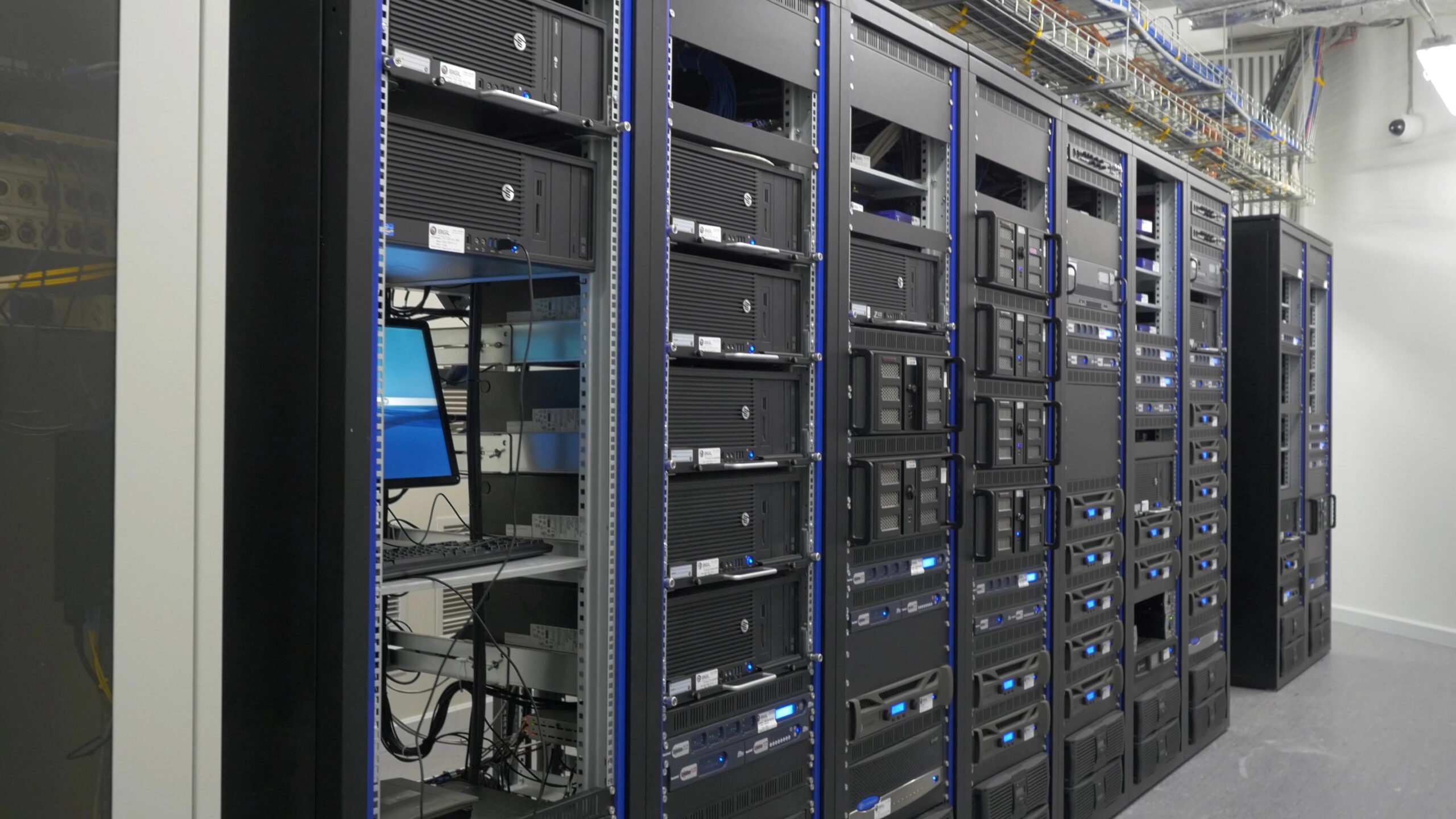
The Pawsey Supercomputing Centre’s new initiative represents a significant leap forward in the realm of high-performance computing. By merging conventional supercomputing resources with cutting-edge quantum technologies, Pawsey is pioneering a hybrid model that promises to transform computational capabilities. This innovative platform, dubbed ‘Setonix-Q’, serves as a bridge between the vast processing power of traditional silicon-based systems and the revolutionary potential of quantum mechanics.
Setonix-Q integrates seamlessly with the existing Setonix supercomputer, which boasts an impressive 50-petaflop capacity, powered by over 200,000 AMD cores and 750 GPUs. This hybrid approach is further enhanced by the inclusion of quantum simulators powered by Nvidia’s GH200 and CUDA-Q architecture, alongside real quantum processors accessed through Amazon Braket. Such an integration offers an unprecedented computational landscape, allowing researchers to explore previously unattainable scientific frontiers.
Enabling New Scientific Discoveries
The initiative’s potential to accelerate scientific discovery is groundbreaking. By providing access to both powerful supercomputing resources and quantum technology, researchers can develop and test hybrid computational models that leverage the strengths of each technology. This dual access capability, supported under Australia’s NCRIS and NCMAS initiatives, allows scientists to design experiments that are more complex and ambitious, potentially revolutionizing fields such as material science, cryptography, and complex system simulations.
Pawsey’s leadership envisions the project as a global frontrunner, setting a benchmark for future hybrid computing infrastructures. By fostering a collaborative environment where traditional and quantum computing coexist, the initiative not only propels scientific exploration but also inspires a new era of computational innovation, poised to influence various industries around the world.
Exploring Quantum-Enhanced Setonix Integration
Unlocking New Computational Capabilities
The integration of quantum technologies into Setonix represents a significant leap forward in computational capability. By merging the extraordinary processing power of traditional supercomputing with the nuanced potential of quantum mechanics, researchers are now equipped to tackle previously insurmountable challenges. Quantum-enhanced Setonix not only facilitates complex data analysis but also empowers the exploration of problems that require processing beyond classical computing limits. For instance, simulations that involve intricate molecular dynamics or complex optimization tasks can now be executed with unprecedented efficiency.
Bridging Classical and Quantum Realms
One of the pivotal aspects of the Setonix-Q integration is its seamless connection between classical and quantum domains. Leveraging Nvidia-powered quantum simulators alongside real quantum processors, this hybrid infrastructure bridges the gap between theory and practical application. By integrating these systems, researchers gain the flexibility to choose the most appropriate computational model. Tasks that benefit from quantum algorithms can be executed on quantum processors, while those that are best suited for traditional methods can utilize the robust capabilities of Setonix. This dual approach paves the way for more refined and accurate scientific outcomes.
A Global Paradigm Shift
Pawsey’s innovation is more than just a technological advancement; it is a paradigm shift in the world of scientific research. With the backing of Australia’s National Collaborative Research Infrastructure Strategy (NCRIS) and the National Computational Merit Allocation Scheme (NCMAS), the Setonix-Q platform sets a precedent for future hybrid computing systems worldwide. This pioneering initiative not only elevates the potential for scientific discovery but also establishes a framework for global research communities to collaborate and push the boundaries of what is computationally possible.
How Setonix-Q Utilizes Nvidia-Powered Quantum Simulators
Bridging Traditional and Quantum Computing
The integration of Nvidia-powered quantum simulators within the Setonix-Q platform marks a significant advancement in the realm of hybrid supercomputing. By utilizing Nvidia’s GH200 Grace Hopper Superchip architecture, the platform enhances computational capability with remarkable efficiency. This architecture is specifically designed to manage complex workloads, providing a seamless experience as it bridges traditional high-performance computing with quantum processes. Researchers can leverage these simulators to model quantum algorithms, gaining insights into potential performance outcomes before deploying them on actual quantum hardware.
Enhancing Computational Models
One of the most compelling features of the Setonix-Q platform is its ability to facilitate the exploration of new computational models. Through the Quantum Hub Portal, scientists access Nvidia’s CUDA-Q, a set of tools accelerating quantum simulations. This integration allows users to experiment with hybrid workloads, combining the strengths of classical and quantum processing. As a result, researchers can tackle problems previously deemed too complex, such as drug discovery simulations and climate modeling, with unprecedented precision and speed.
Expanding Research Opportunities
With Nvidia’s cutting-edge technology at its core, Setonix-Q provides researchers with a unique opportunity to engage in dual HPC-quantum access. The platform not only democratizes access to advanced computational resources but also empowers scientists to push the boundaries of their fields. This initiative, backed by Australia’s NCRIS and NCMAS, offers a robust framework for scientific discovery. By enabling the synthesis of classical and quantum methodologies, Setonix-Q positions itself as a pivotal player in the evolution of supercomputing, inspiring a new era of innovation and collaboration across disciplines.
The Role of Amazon Braket in Quantum Processor Access
Bridging Traditional and Quantum Computing
Amazon Braket plays a pivotal role in advancing the integration of traditional and quantum computing through its seamless access to a variety of quantum processors. As a managed service, Braket offers an intuitive interface through which researchers can design quantum algorithms, perform simulations, and analyze results, all within a single platform. This capability is crucial for developing hybrid workloads that leverage the strengths of both classical and quantum computing paradigms.
By providing access to state-of-the-art quantum processors from industry leaders like IonQ and Rigetti, Amazon Braket allows for real-world testing and experimentation, driving innovation and accelerating scientific discovery. These collaborations enable researchers to explore new computational models and push the boundaries of what is computationally possible.
Enhancing Computational Research
The integration of Amazon Braket into the Setonix-Q platform positions the Pawsey Supercomputing Centre at the forefront of computational research. By offering a unified environment to access both traditional HPC resources and quantum processors, researchers are empowered to tackle complex scientific problems with unprecedented efficiency. This hybrid approach is particularly beneficial in fields such as materials science, cryptography, and drug discovery, where quantum computing shows significant promise.
The Quantum Hub Portal, powered by Braket, facilitates this advanced research by providing intuitive tools and resources to help researchers quickly and effectively harness the power of quantum computing. This ease of access is crucial in broadening the scope of research applications and democratizing the use of cutting-edge technology.
Driving Future Innovations
As a trailblazer in hybrid computing, Amazon Braket supports the creation of a dynamic ecosystem where innovation flourishes. By simplifying access to quantum processors and fostering a collaborative research environment, Braket contributes to the development of future-ready computational infrastructures. This collaboration not only benefits current research initiatives but also lays the groundwork for the technological advancements of tomorrow, ensuring that researchers remain at the forefront of computational breakthroughs.
Future Implications for Hybrid Supercomputing and Scientific Discovery
Bridging Silicon and Quantum Frontiers
The integration of Setonix-Q marks a significant leap forward in the landscape of high-performance computing. By uniting conventional silicon-based systems with cutting-edge quantum technology, researchers at the Pawsey Supercomputing Centre are pioneering a hybrid model that could transform computational methodologies. This convergence allows for the simultaneous utilization of classical and quantum resources, thus optimizing computational efficiency and potentially revolutionizing problem-solving approaches in various scientific fields.
Enhancing Research Capabilities
The hybrid supercomputing model presents unparalleled opportunities for scientific exploration. Researchers can now tackle complex problems previously deemed intractable, as they harness the complementary strengths of both quantum and classical computing. This dual-access capability enables scientists to explore novel algorithms, simulate quantum phenomena, and apply these insights to fields such as materials science, cryptography, and drug discovery. Such advancements promise to accelerate the pace of innovation, providing a robust platform for breakthroughs that could redefine the boundaries of scientific knowledge.
Setting a Global Precedent
Pawsey’s initiative sets a new benchmark for the future of supercomputing and stands as a testament to Australia’s leadership in scientific innovation. By establishing a precedent for hybrid infrastructures, this project not only benefits the local research community but also inspires global collaborations to adopt similar models. The potential ripple effect could lead to the development of new international standards, fostering a collaborative environment that encourages sharing of resources and knowledge across borders. This collaborative spirit is key to addressing some of the most pressing challenges of our time, ensuring that advances in technology translate into tangible benefits for society.
Key Highlights
In embracing quantum-enhanced computing, the Pawsey Supercomputing Centre sets a transformative precedent in computational science. The integration of Setonix with advanced quantum technologies not only fortifies Australia’s standing in the global supercomputing arena but also opens unprecedented avenues for researchers worldwide. As you delve into this pioneering hybrid model, the opportunity to push boundaries in scientific inquiry expands significantly, allowing for breakthroughs that were previously unimaginable. This initiative not only accelerates discovery but also shapes a new era of technological symbiosis. The Setonix-Q platform stands as a beacon of innovation, charting the course for future advancements in high-performance and quantum computing.

Happy
0 %

Sad
0 %

Excited
0 %

Sleepy
0 %

Angry
0 %

Surprise
0 %