
Read Time:8 Minute, 1 Second
As an environmentally conscious professional, you understand the importance of sustainable infrastructure in today’s fast-paced digital world. Banglalink, a leader in Bangladesh’s telco sector, sets a new standard by significantly advancing its green initiatives in Cumilla. With the installation of a 50kW rooftop solar power system at its Cumilla Data Center, Banglalink is not only reducing its carbon footprint but also pioneering a model for renewable energy integration in data centers across the region. This strategic move promises to enhance energy efficiency, cut operational costs, and fortify the resilience of its operations against future energy challenges, setting a benchmark for others to follow.
Expanding Renewable Energy: Banglalink’s Rooftop Solar Initiative in Cumilla
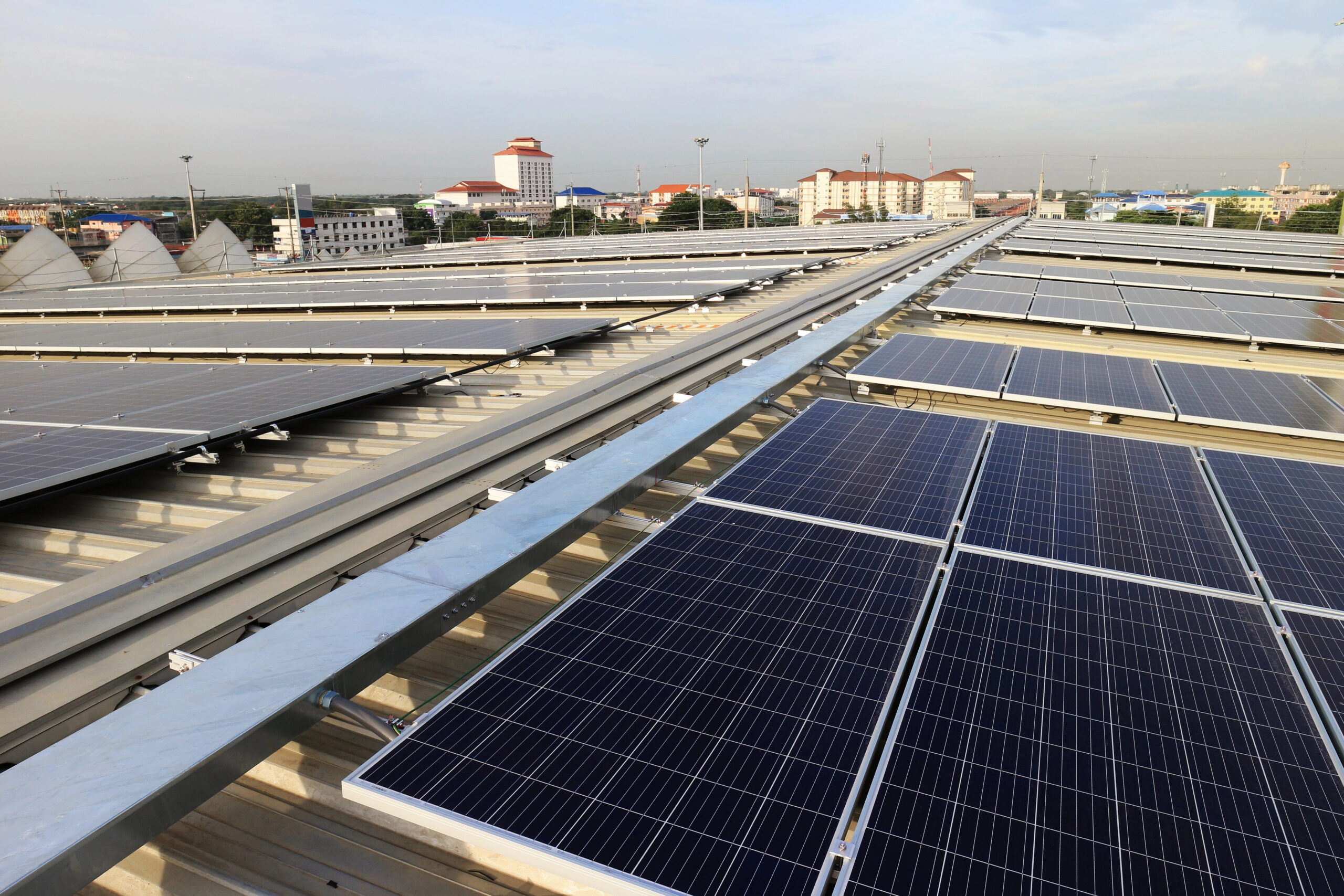
Harnessing the Sun: A Strategic Approach
Banglalink’s decision to install a 50kW rooftop solar power system at its Cumilla Data Center marks a significant step toward sustainable energy use in the telecommunications sector. By capitalizing on approximately 2,500 square feet of previously untapped rooftop space, Banglalink demonstrates a commitment not only to environmental stewardship but also to operational efficiency. This strategic deployment is expected to generate about 85,000 kWh of renewable electricity annually, contributing significantly to the company’s green energy portfolio.
Financial and Environmental Impact
The rooftop solar installation is poised to deliver substantial financial and ecological benefits. By reducing grid electricity consumption by approximately 6% during solar-generation hours, Banglalink aims to achieve an annual energy cost saving of roughly BDT 1.2 million. Furthermore, the project promises a reduction in carbon emissions by nearly 52 tonnes annually, underscoring Banglalink’s dedication to minimizing its environmental footprint. This initiative aligns with broader global efforts to transition toward cleaner, more sustainable energy sources.
Enhancing Resilience and Energy Security
Beyond financial savings and environmental benefits, the solar power system enhances the resilience of the Cumilla Data Center. In times of grid disruptions or emergencies, the additional renewable power support strengthens the center’s operational continuity. This capability not only ensures data integrity and security but also underscores the importance of integrating renewable energy into critical infrastructure. As Banglalink continues to pioneer in the integration of solar energy, it sets a precedent for other industry players to follow suit in their quest for sustainable and resilient digital infrastructure.
Harnessing the Sun: How the 50kW Solar Power System Works
Solar Energy Conversion
At the core of Banglalink’s Cumilla installation is the 50kW rooftop solar power system, which captures sunlight and converts it into electrical energy. The process begins with photovoltaic (PV) panels composed of semiconductor materials, typically silicon, that absorb photons from sunlight. When these photons strike the PV panels, they dislodge electrons from their atoms, creating a flow of electricity — a phenomenon known as the photovoltaic effect. This direct current (DC) electricity is then routed to an inverter, which transforms it into alternating current (AC) electricity, the standard form used in data centers to power various operations and equipment.
Optimal Use of Rooftop Space
Banglalink has ingeniously utilized approximately 2,500 square feet of previously idle rooftop area for its solar power system. By doing so, the company maximizes space efficiency while contributing to environmental sustainability. This green initiative aligns with a global trend where businesses tap into unused real estate to harness renewable energy, reducing reliance on traditional power sources. The strategic placement of solar panels ensures optimal exposure to sunlight, enhancing energy production and efficiency.
Environmental and Economic Impact
The installation is anticipated to generate around 85,000 kWh of clean energy annually, marking a significant step towards reducing carbon footprints. This renewable power supply is expected to lower the data center’s reliance on grid electricity by approximately 6% during peak solar generation hours. In addition to its environmental benefits, the solar system offers tangible economic advantages. By cutting back on conventional energy use, Banglalink is projected to save about BDT 1.2 million annually in energy costs. This dual-benefit approach not only supports the company’s sustainability goals but also strengthens its financial resilience.
Environmental Impact: Reducing Carbon Emissions and Energy Costs
Lowering Carbon Footprint
The installation of the 50kW rooftop solar power system at Banglalink’s Cumilla Data Center exemplifies a significant shift towards eco-friendly operations. By harnessing the sun’s power, Banglalink is expected to slash approximately 52 tonnes of carbon emissions annually. This is equivalent to planting around 2,500 trees each year, contributing to a healthier environment and reducing the company’s carbon footprint. As the effects of climate change become increasingly evident, such initiatives are crucial in paving the way for a sustainable future, inspiring other corporations to follow suit in adopting greener practices.
Economic Savings
In addition to environmental benefits, the solar system provides substantial economic advantages. The clean energy generated will decrease the data center’s reliance on grid electricity by approximately 6% during peak solar production times. This reduction translates into savings of about BDT 1.2 million annually. Such financial efficiency not only underscores the cost-effectiveness of renewable energy investments but also enhances the long-term sustainability of Banglalink’s operations. Savings can be reinvested in further technological advancements, broadening the scope of renewable applications across other facilities.
Enhanced Energy Resilience
Beyond cutting emissions and saving costs, the solar system fortifies the data center’s energy resilience. By providing an additional power source, the installation ensures continued operations during grid disruptions or emergencies. This capability is particularly beneficial in regions prone to power instability, where the uninterrupted operation of digital infrastructure is vital. Consequently, Banglalink’s investment in solar energy not only aligns with environmental goals but also bolsters the company’s operational reliability, ensuring steady service delivery to its customers.
Enhancing Data Center Resilience with Renewable Energy
Strengthening Operational Stability
Incorporating renewable energy solutions into data center operations is not just a trend but a strategic move towards ensuring greater operational stability. By integrating solar power systems like the one at Banglalink’s Cumilla Data Center, companies can substantially reduce their dependency on conventional power grids. This reduction in reliance means that during periods of grid instability or outages, the data centers can still operate smoothly, thanks to their self-generated power. This local energy production capability forms a critical buffer, enabling continuity of services, which is especially crucial for data centers that underpin telecommunications infrastructure.
Sustainable Infrastructure and Cost Efficiency
The deployment of rooftop solar systems is also a testament to the economic and environmental foresight of modern data management strategies. With the Cumilla installation, Banglalink not only cuts down on roughly 52 tonnes of carbon emissions annually but also realizes significant cost savings. By lowering grid electricity consumption by around 6% during peak solar hours, the company saves approximately BDT 1.2 million in yearly energy costs. This dual benefit of sustainability and cost-effectiveness highlights the pragmatic advantages of renewable energy investments.
Future-Ready Energy Approaches
Adopting renewable energy solutions like rooftop solar installations positions companies like Banglalink as pioneers in creating sustainable digital infrastructures. It emphasizes their commitment to future-ready operations, aligning with broader global climate initiatives. As the world shifts towards cleaner energy, these measures underscore Banglalink’s proactive role in the green transition, setting a benchmark in the telecommunications sector. Moreover, these efforts solidify their reputation as leaders in innovative, resilient, and environmentally responsible business practices, making them a model for other organizations to emulate.
Banglalink’s Journey Toward Sustainable Digital Infrastructure
Embracing Renewable Energy Initiatives
Banglalink’s commitment to sustainable digital infrastructure is evident through its strategic embrace of renewable energy sources. By installing the 50kW rooftop solar power system at the Cumilla Data Center, Banglalink utilizes previously untapped resources—namely, the expansive rooftop space. This initiative not only enhances the company’s environmental responsibility but also showcases its forward-thinking approach to energy management. The project is a part of a broader strategy to reduce reliance on conventional grid electricity while simultaneously cutting down carbon emissions by approximately 52 tonnes annually. This move aligns with global trends towards greener energy practices and highlights Banglalink’s leadership in the telecom sector.
Economic and Environmental Impact
The integration of solar power at the Cumilla facility comes with significant economic and environmental benefits. Financially, Banglalink anticipates saving approximately BDT 1.2 million annually in energy costs. The reduction in operational expenses underscores how sustainability initiatives can also deliver tangible economic advantages. Environmentally, the clean energy generated reduces grid electricity consumption by around 6% during solar-generation hours, contributing to a decreased carbon footprint. These steps are essential in the fight against climate change, demonstrating that businesses can thrive while prioritizing the planet’s health.
Building Resilience and Future-Proofing
Beyond immediate benefits, Banglalink’s renewable energy projects foster long-term resilience and operational stability. By incorporating solar power, the Cumilla Data Center gains an additional layer of security during emergencies or grid disruptions. This diversification of energy sources ensures continuous service reliability, a critical aspect in a digitally connected world. As part of VEON’s wider renewable energy and climate initiatives, Banglalink’s actions serve as a blueprint for future-proofing digital infrastructure, ensuring that sustainability and technological advancement go hand in hand.
To Summarize
In embracing rooftop solar technology at its Cumilla Data Center, Banglalink sets a compelling precedent for sustainable innovation in Bangladesh’s telecommunications sector. This initiative not only underscores Banglalink’s commitment to environmental stewardship but also highlights its strategic foresight in navigating energy challenges. By reducing carbon emissions and operational costs, Banglalink exemplifies how renewable energy can drive both ecological and economic benefits. As you consider the implications of this shift, it becomes evident that Banglalink’s investment is a vital step toward a greener future, demonstrating how corporate responsibility and advanced technology can harmoniously propel progress in digital infrastructure.

Happy
0 %

Sad
0 %

Excited
0 %

Sleepy
0 %

Angry
0 %

Surprise
0 %