
Read Time:8 Minute, 16 Second
As a user or guardian of young Roblox enthusiasts, you will find its latest Indonesian initiative significant. In response to new government rules, Roblox will enhance age verification using facial scans for users under 16. Moreover, this move supports a broader national effort to protect minors from harmful online content and interactions. By using advanced facial recognition, Roblox aims to create a safer gaming environment while addressing privacy and digital rights concerns. Therefore, this change marks a pivotal moment in improving online safety for young gamers.
Roblox’s New Age Verification System: What You Need to Know
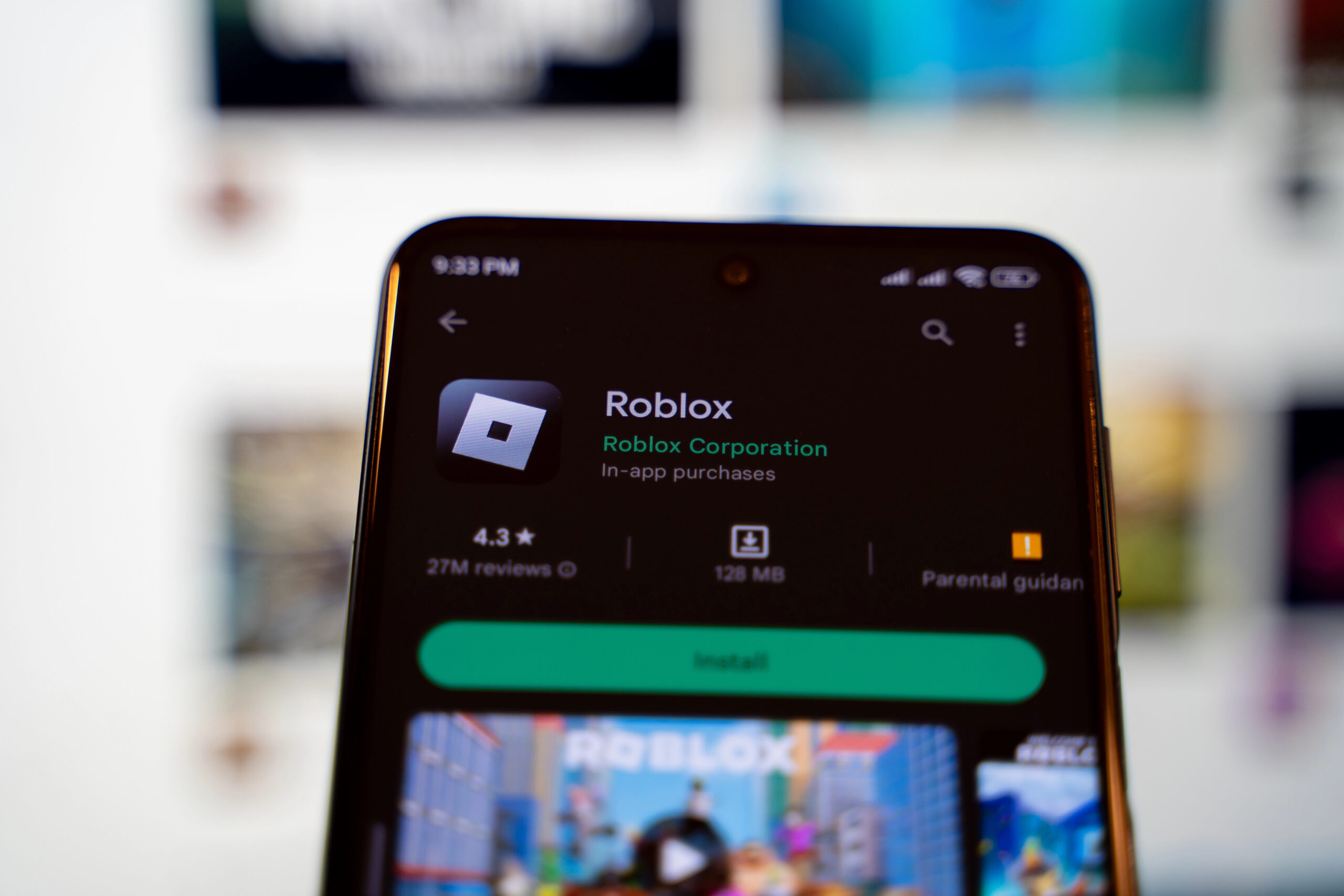
The Rationale Behind Age Verification
Roblox’s decision to implement a new age verification system is primarily driven by the need to align with Indonesia’s stringent online safety regulations. These rules are aimed at safeguarding minors from potentially harmful digital content, including cyberbullying and exposure to inappropriate material. The implementation of facial scans offers a more reliable method of age confirmation compared to traditional systems, ensuring that young users access age-appropriate content while maintaining a secure online environment.
How the System Works
The age verification system hinges on facial age estimation technology, a process that involves users submitting video selfies. This method enables Roblox to accurately determine a user’s age without relying on self-reported data, which can often be inaccurate. After the verification process, the data is promptly deleted, addressing privacy concerns while maintaining transparency. Accounts that do not complete this verification face automatic limitations, particularly in communication functionalities, to enhance online safety.
The Impact on User Experience
This policy introduces a tiered restriction model based on age groups, reflecting Roblox’s commitment to user safety. For users aged 5 to 12, chat functions are entirely disabled, minimizing their exposure to potentially harmful interactions. Teenagers aged 13 to 15 experience moderated interactions, limited solely to approved contacts, such as family members. These changes affect millions of Roblox users in Indonesia, highlighting the platform’s proactive approach to creating a safer digital space while navigating the delicate balance between security and privacy.
By ensuring compliance with Indonesia’s regulatory framework, Roblox demonstrates its dedication to fostering a secure and enjoyable environment for its younger audience.
How Facial Scans for Young Users Will Work in Indonesia
Introduction to Facial Scans
The implementation of facial scans in Roblox’s age verification process marks a significant step towards bolstering online safety for young users in Indonesia. This pioneering approach involves the use of advanced biometric technology to estimate a user’s age through a video selfie. By employing this method, Roblox aims to create a safer digital environment while complying with Indonesia’s stringent regulations concerning minor protection on digital platforms.
The Verification Process
Facial scans will operate as a seamless and straightforward process. When a user under 16 attempts to access Roblox, they will be prompted to perform a video selfie. This video is then analyzed to estimate the user’s age accurately. The technology assesses various facial landmarks and features to ascertain an age range. Importantly, Roblox has assured users and guardians that the video data will be securely deleted post-verification, mitigating concerns over privacy and data misuse.
Impact on User Experience
For those who successfully pass the verification process, the experience on Roblox will be largely unaffected, ensuring they can continue to enjoy the platform’s offerings. However, if users choose not to verify, they will encounter stricter account limitations. These limitations are designed to minimize exposure to potentially harmful content and enhance safety by restricting unverified users’ access to certain communication features within the game.
Balancing Safety and Privacy
While the introduction of facial scans brings forth concerns about biometric data usage, it’s essential to recognize that this technology is a proactive measure to protect young users in an increasingly digital world. Roblox’s commitment to deleting data after processing indicates a thoughtful balance between safeguarding user privacy and enhancing digital security. By implementing such measures, Roblox is setting a precedent for other platforms aiming to navigate the complexities of digital age verification.
Understanding Tiered Account Restrictions for Different Age Groups
Tailored Access for Young Users
Roblox has adopted a tiered restriction system, ensuring that access and interaction capabilities align with the developmental stages and safety needs of its young users. For children aged 5 to 12, communication features such as chat functions are entirely restricted. This measure aims to shield younger users from potential online hazards, including unwanted interactions and exposure to inappropriate content. By limiting these features, Roblox maintains a secure environment where children can explore and engage safely.
Controlled Interactions for Teenagers
For users aged 13 to 15, Roblox implements a more nuanced approach. Teenagers in this age group are granted limited social interactions, allowing them to connect only with verified contacts, such as family members. This controlled environment promotes safe online communication while still permitting teenagers to enjoy a degree of social engagement. The restrictions serve as a safeguard against cyberbullying and exposure to unsuitable digital influences, fostering a positive online experience tailored to their maturity level.
Implications for Compliance and Safety
These age-specific restrictions enhance user safety and ensure compliance with Indonesian regulations protecting minors in digital spaces. Moreover, by categorizing users by age, Roblox enforces protective measures more effectively and ensures each experience remains appropriate and secure. Additionally, this strategy balances user privacy with safety and reassures parents and guardians about platform responsibility. Overall, the tiered restriction policy highlights Roblox’s commitment to a secure and engaging environment while meeting regulations and promoting digital well-being.
The Impact on Millions: Changes to Roblox in Indonesia
A Shift in User Experience
The introduction of age verification through facial scans marks a significant transformation for Roblox users in Indonesia. This policy not only aligns with government mandates but also profoundly alters the experience for millions of young gamers. By requiring users under 16 to verify their age with a video selfie, Roblox aims to foster a safer environment. The initiative is designed to mitigate risks associated with harmful content and cyberbullying, enhancing digital safety for minors.
However, this transition might initially disrupt the user experience. Many children and parents could find the process invasive or cumbersome, potentially leading to frustration or decreased usage. Yet, Roblox’s commitment to safeguarding its youngest players underscores the increasing importance of security over convenience in digital spaces.
Tiered Restrictions and Their Consequences
Roblox’s new policy introduces tiered restrictions based on age groups, significantly affecting how young users interact on the platform. Children aged 5 to 12 will lose access to chat functions entirely. Meanwhile, those aged 13 to 15 can only communicate with approved contacts. This strategic differentiation aims to tailor the platform’s safety measures to varying maturity levels, emphasizing protection for the youngest users. These limitations, while necessary for compliance and safety, may limit the social aspect of the gaming experience. These limitations may also affect the gaming experience. However, many users cherish it. Families and guardians will need to adjust to these changes. Additionally, balancing the need for safety with young users’ desire for social interaction.
Balancing Safety and Privacy
Despite the benefits, the implementation of facial scans raises concerns about privacy and data security. Roblox has pledged that all collected biometric data will be deleted after processing, aiming to reassure users about their privacy. Nevertheless, the use of such technology highlights the ongoing tension between ensuring child safety and respecting user privacy on digital platforms. As Roblox navigates these challenges, the company’s approach in Indonesia could set a precedent for global practices in digital safety and data handling.
Privacy Concerns and the Future of Biometric Data in Gaming Platforms
Navigating Privacy Concerns
The introduction of facial scans as a means of age verification presents a significant shift in how personal data, particularly biometric data, is handled within gaming platforms. While Roblox aims to enhance safety measures, it inevitably raises the question of privacy. Biometric data—unique physical or behavioral characteristics like facial features—requires careful handling to avoid misuse. Users and guardians are rightfully concerned about how such sensitive information is stored, processed, and eventually deleted. Roblox has assured that it will delete collected data post-verification, yet this assurance must align with stringent data protection laws and ethical practices to maintain user trust.
Balancing Safety with Privacy
Roblox’s initiative reflects a growing trend among tech companies to prioritize online safety while grappling with privacy implications. As regulations toughen globally, particularly in countries like Indonesia, platforms must strike a balance between protecting young users and safeguarding their personal information. This balance requires transparency about data use policies and robust measures to prevent unauthorized access or data breaches. By involving third-party audits and regular updates to privacy policies, Roblox and similar companies can foster a safer digital environment without compromising on privacy standards.
The Future of Biometric Data Use
Looking ahead, the integration of biometric data in gaming platforms could reshape user interactions and security protocols. As technology evolves, the potential for more sophisticated, non-intrusive verification methods could emerge, minimizing privacy risks. However, companies must remain vigilant and proactive in addressing public concerns. Engaging in open dialogues with stakeholders, including users and privacy advocates, will be crucial in navigating this complex landscape. Ultimately, the responsible use of biometric data could pave the way for innovative safety features that protect without infringing on individual freedoms.
Final Thoughts
As you navigate the evolving landscape of digital safety, Roblox’s new age verification measures in Indonesia represent a critical juncture in balancing child protection and privacy concerns. By implementing facial scans, Roblox aims to adhere to regulatory demands while prioritizing user safety in a digital age fraught with potential risks. However, it is imperative for you, as stakeholders in this digital ecosystem, to remain vigilant about how such technologies impact personal freedoms and data security. Ultimately, this development underscores the ongoing challenge of crafting policies that safeguard the young without compromising fundamental user rights in a rapidly advancing technological world.

Happy
0 %

Sad
0 %

Excited
0 %

Sleepy
0 %

Angry
0 %

Surprise
0 %