
Read Time:8 Minute, 33 Second
Visa is leading efforts to prepare Philippine banks for the global rise of mobile wallets as the digital revolution unfolds. It fosters collaboration with technology leaders like Apple Pay, Google Pay, and Samsung Pay to enhance local bank integration. This strategic move aligns with the Bangko Sentral ng Pilipinas’ regulatory framework, supporting a smoother shift toward digital transactions. Moreover, Visa’s role in boosting security and convenience through mobile wallet solutions is increasingly important in this evolving financial landscape.
The Surge of Digital Payments in the Philippines
A Transformative Trend
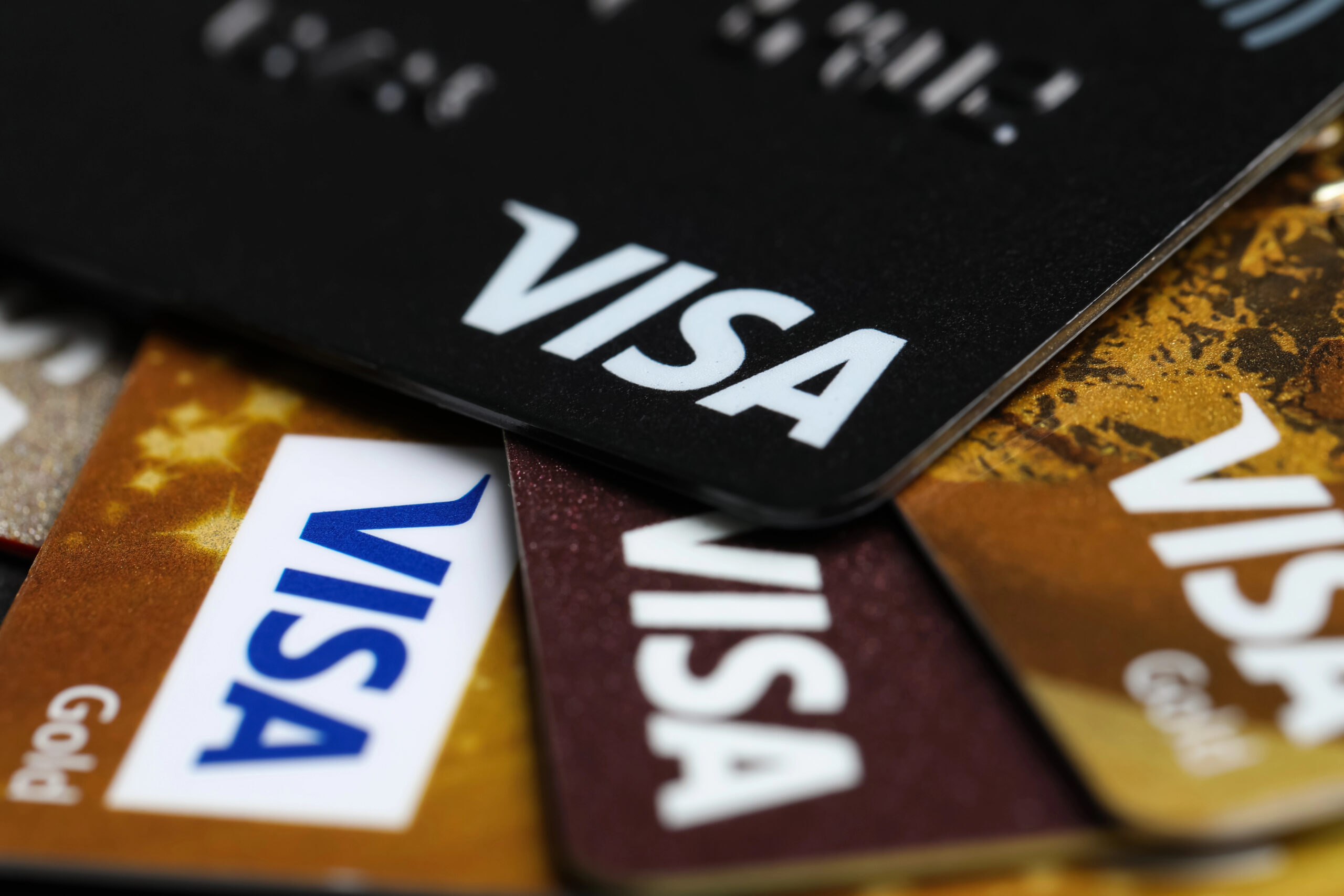
The Philippines is seeing a remarkable shift in its financial landscape, driven by the rapid adoption of digital payments. With a staggering 57% of retail payments now conducted digitally, this trend signifies a transformative phase in the nation’s economy. This movement is not just about convenience; it’s about reshaping consumer behavior and expectations. The ease of use, speed, and security offered by digital transactions make them a preferred choice for a tech-savvy population, which is increasingly reliant on smartphones and internet connectivity.
Catalysts of Growth
Several factors have catalyzed this surge. The government’s support through initiatives aimed at financial inclusion and the creation of a more cashless society has been pivotal. The Bangko Sentral ng Pilipinas (BSP) has set ambitious targets, such as achieving 70% digital retail payments by 2028. This aligns with global trends, where digital ecosystems are seen as vehicles for economic growth. Additionally, the pandemic accelerated the adoption of digital solutions as consumers sought safer, contactless payment methods, further solidifying the shift away from cash.
The Role of Technology and Innovation
Technological advancements play a critical role in driving this digital payment evolution. Innovations such as tokenization and mobile wallet integration are enhancing security and user experience. The use of digital tokens to replace sensitive card information has significantly reduced fraud, fostering greater consumer trust. By partnering with global players like Visa, which is actively engaging with local banks, the Philippines is positioning itself to leverage these technologies effectively. This partnership aims to ensure a seamless transition, providing a robust framework to support the growing demand for secure and efficient digital payment solutions.
This surge in digital payments is not merely a trend; it’s a seismic shift toward a future where financial transactions are quick, accessible, and secure. As the nation embraces this digital revolution, the benefits are manifold, paving the way for a more inclusive and efficient financial ecosystem.
Visa’s Role in Preparing Philippine Banks for Mobile Wallets
Facilitating Technological Transition
Visa leads Philippine banks into the mobile wallet era by driving a comprehensive technological transition. It collaborates with global giants like Google Southeast Asia and Vietcombank to strengthen this initiative. Moreover, Visa conducts workshops to equip local financial institutions with essential tools and insights for smooth mobile wallet integration. These workshops also provide a platform for knowledge exchange and practical learning. As a result, Philippine banks gain the skills to adapt quickly. Consequently, they become better prepared and remain competitive in the global digital payments landscape.
Ensuring Regulatory Compliance
A critical aspect of Visa’s role involves ensuring that these banks meet the regulatory requirements set forth by the Bangko Sentral ng Pilipinas. By aligning mobile wallets with the framework that mandates them to operate as technology service providers, Visa is helping banks sidestep potential legal pitfalls. This strategic guidance is crucial in a landscape where compliance is key to sustainable growth and customer trust.
Implementing Cutting-Edge Security
Security is paramount in the digital payments ecosystem, and Visa’s implementation of tokenization technology is a testament to this priority. Tokenization replaces vulnerable card details with encrypted digital tokens, significantly reducing the risk of fraud. This technology not only enhances the security of transactions but also reinforces consumer confidence in adopting mobile wallets for their daily financial activities.
Paving the Way for a Digital Future
Visa’s proactive measures are paving the way for a digitally advanced future in the Philippines. With the local digital payment adoption already exceeding 57%, the groundwork laid by Visa is crucial for reaching the government’s target of 70% digital transactions by 2028. By preparing Philippine banks for this shift, Visa is fostering a secure, efficient, and user-friendly financial ecosystem that promises to benefit consumers and businesses alike.
Integration of Global Players: Apple Pay, Google Pay, and Samsung Pay
Embracing a Digital Shift
As the global financial landscape transforms, the integration of mobile wallets like Apple Pay, Google Pay, and Samsung Pay into the Philippine banking system marks a pivotal shift toward a digital future. These platforms are not just novel payment methods; they represent a bridge to a seamless, cashless economy. By collaborating with these global giants, Philippine banks are poised to enhance the payment experience, providing not only convenience but also heightened security for their customers.
Strategic Partnerships and Knowledge Sharing
Visa’s initiative to connect local banks with global mobile wallet leaders highlights the importance of collaboration in this transition. Moreover, workshops and strategic alliances allow banks to access valuable insights and best practices from leaders like Google Southeast Asia and Vietcombank. This exchange of knowledge remains vital in navigating the challenges of mobile wallet integration. Therefore, it ensures technological advancements are not only robust but also user-friendly.
Aligning with Regulatory Frameworks
A significant aspect of this integration is its alignment with the Bangko Sentral ng Pilipinas’ regulatory frameworks. These guidelines necessitate that mobile wallets function as technology service providers, not financial institutions. This regulatory clarity is vital, as it ensures that mobile wallets link seamlessly to existing credit, debit, or e-money accounts, facilitating secure transactions. By adhering to these frameworks, Philippine banks can confidently advance towards a more technological banking landscape.
Toward a Secure and Convenient Future
The integration of Apple Pay, Google Pay, and Samsung Pay is more than a technological upgrade; it is a strategic move towards enhancing consumer trust and security. With tokenisation reducing fraud by over 50% globally, Philippine banks can offer their customers a safe environment for digital transactions. This development not only fuels the growth of digital payments but also aligns with national goals, paving the way for a future where digital solutions lead the charge in financial innovation.
Understanding Tokenization: Enhancing Security in Mobile Wallets
What is Tokenization?
Tokenization is a secure method of protecting sensitive card information by replacing it with a unique identifier or token. This token is used in place of the actual card details during a transaction, rendering the original data inaccessible to potential fraudsters. In the context of mobile wallets, this means that your card details are never stored or transmitted during purchases, significantly enhancing security.
How Does Tokenization Work?
When a consumer initiates a transaction using a mobile wallet, such as Apple Pay or Google Pay, a token is generated in real-time. This token works as a placeholder for the sensitive card details. Importantly, these tokens are typically merchant-specific, meaning they cannot be used outside the context in which they were created. This specificity further reduces the risk of data breaches or unauthorized use. The token corresponds to the actual card information through a secure, encrypted database managed by a trusted token service provider.
Benefits of Tokenization
The implementation of tokenization has resulted in a myriad of benefits, particularly in combating fraud. Notably, it has contributed to a more than 50% reduction in fraudulent activities worldwide. This innovative technology offers enhanced security and instills greater consumer confidence in digital transactions, encouraging more users to adopt mobile wallet solutions. Additionally, tokenization provides a seamless user experience, as consumers can complete transactions quickly and securely without repeatedly entering their card details.
As the Philippines continues its digital payment evolution, tokenization stands as a cornerstone in ensuring secure mobile wallet transactions. By leveraging this technology, Visa, in collaboration with local banks, is poised to fortify the financial ecosystem, making it safer and more resilient to digital threats. This strategic move not only aligns with global security standards but also empowers consumers, fostering a culture of trust and convenience in digital payments.
Aligning with the Bangko Sentral ng Pilipinas’ Framework for Digital Payments
Understanding the Regulatory Landscape
Navigating the regulatory framework set forth by the Bangko Sentral ng Pilipinas (BSP) is critical for the successful integration of mobile wallets in the Philippines. The BSP mandates that mobile wallets operate as technology service providers rather than financial institutions. This distinction ensures that mobile wallet providers work in collaboration with banks, linking wallets to existing credit, debit, or e-money accounts for transaction processing. By setting this structure, the BSP aims to promote innovation while safeguarding financial stability and consumer protection.
Embracing Tokenisation for Security
A cornerstone of aligning with the BSP’s framework is the adoption of tokenisation—a transformative security measure integral to digital payments. Tokenisation replaces sensitive card information with unique digital tokens, which are stored on consumer devices. This approach significantly reduces the risk of fraud by ensuring that actual card details are never exposed during transactions. The implementation of tokenisation has already decreased fraud rates globally by over 50%, reinforcing consumer trust in digital payments. By embracing this technology, Philippine banks can meet regulatory requirements while enhancing the security of their services.
Collaboration for Seamless Implementation
Visa’s initiative to collaborate with Philippine banks and global players like Google Southeast Asia underscores the importance of shared learning in this digital transformation. Through dedicated workshops, these collaborations facilitate the exchange of insights and best practices necessary for a seamless transition to mobile wallets. By aligning with the BSP’s framework, these efforts not only drive compliance but also prepare the financial ecosystem for a future where digital payments are not only secure and efficient but also widely adopted across the nation.
Closing Remarks
Visa’s proactive approach in preparing Philippine banks for mobile wallets marks a major step in financial digital transformation. Moreover, by aligning with global technology leaders and following Bangko Sentral ng Pilipinas’ guidelines, Visa ensures a seamless and secure transition. In addition, the introduction of tokenization strengthens the system, boosting consumer confidence and lowering fraud risks. As digital payments continue to grow, Visa’s efforts will empower banks to adopt innovation. Ultimately, this move fosters a modernized financial environment that addresses the evolving needs of both consumers and businesses.

Happy
0 %

Sad
0 %

Excited
0 %

Sleepy
0 %

Angry
0 %

Surprise
0 %