
Read Time:9 Minute, 9 Second
In a landmark move highlighting the fusion of finance and technology, Goldman Sachs adopted Anthropic’s advanced AI agents to automate key banking operations. As the financial industry increasingly embraces artificial intelligence to streamline processes, this partnership signals a major shift in managing core banking functions. Moreover, the collaboration developed quietly over several months, strengthening its strategic foundation. These AI agents aim to transform tasks that once relied heavily on manual labor. As a result, they introduce greater efficiency, speed, and precision into daily financial operations. Consequently, the initiative positions Goldman Sachs at the forefront of banking innovation. Ultimately, this move invites you to explore the rapidly evolving future of banking automation.
The Partnership: Goldman Sachs and Anthropic in AI Collaboration
A Strategic Alliance for Innovation
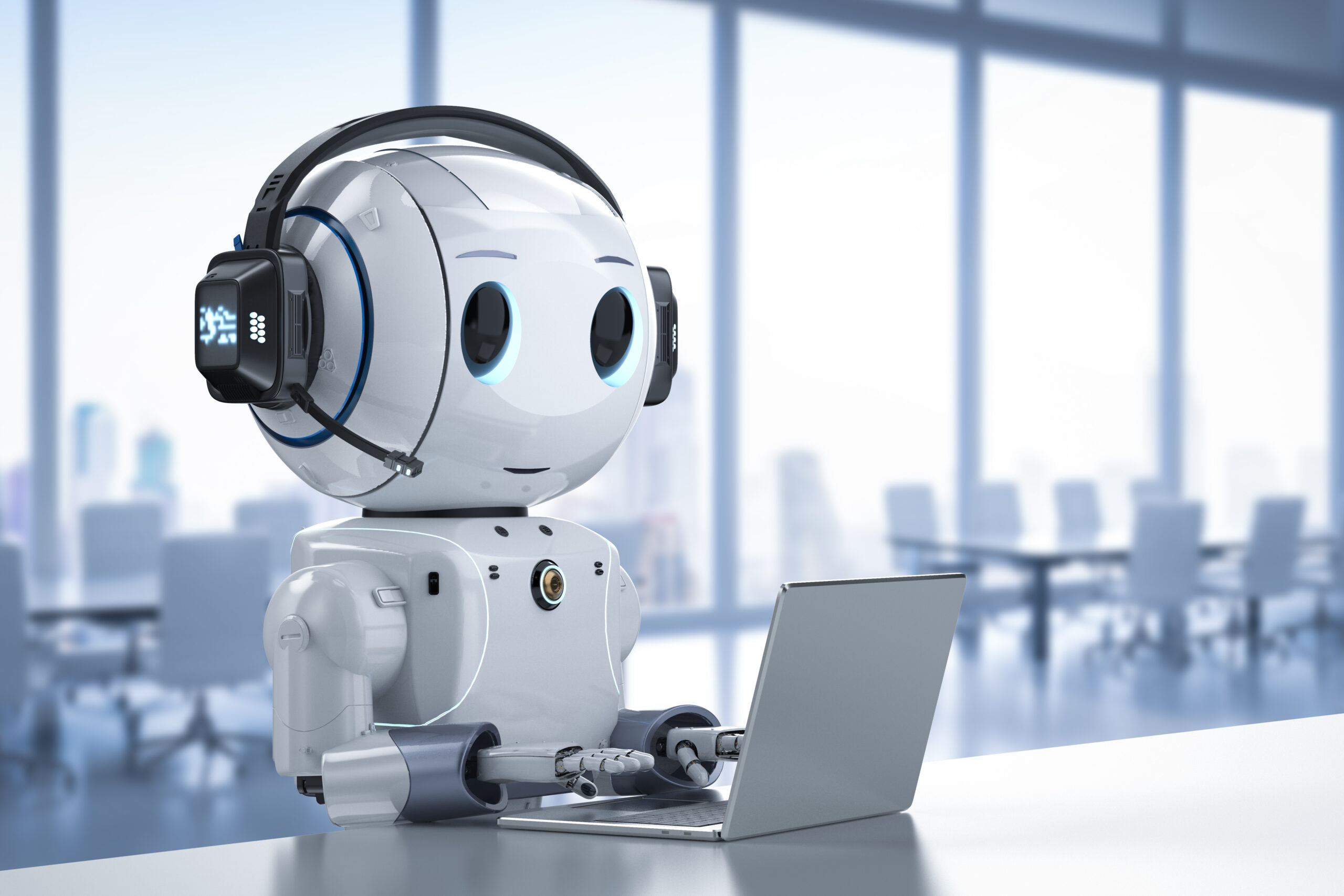
In the evolving financial landscape, Goldman Sachs’ alliance with Anthropic marks a major milestone in integrating artificial intelligence into core banking operations. Moreover, this partnership goes beyond technology and represents a strategic effort to boost efficiency and drive innovation across the banking sector. By leveraging Anthropic’s advanced Claude AI models, Goldman Sachs aims to automate tasks that once required manual work. For example, the bank plans to improve trade processing, client onboarding, and compliance monitoring. Consequently, this collaboration reflects a broader industry shift toward adopting advanced technologies to streamline operations and strengthen competitive advantage.
Transforming Banking Operations with AI
The integration of AI agents into Goldman Sachs’ operations signals a transformative approach to handling routine yet complex banking processes. Such tasks, which include transaction accounting and regulatory checks, are typically labor-intensive and time-consuming. However, through the deployment of AI agents, Goldman Sachs aims to significantly reduce turnaround times and improve overall productivity. The partnership with Anthropic is expected to yield substantial efficiency gains by automating these processes, thereby allowing human employees to focus on more strategic and value-added activities. This shift not only enhances operational efficiency but also positions the bank at the forefront of technological advancements within the financial sector.
Future Prospects and Industry Impact
As the collaboration progresses, it is anticipated that the success of Goldman Sachs and Anthropic’s joint venture will serve as a blueprint for other financial institutions considering similar technological integrations. The confidence in deploying AI to handle compliance and operational workloads reflects a broader industry trend towards digital transformation. By setting a precedent in adopting AI-driven solutions, Goldman Sachs is pioneering a path that could redefine industry standards, ultimately leading to more agile and innovative financial services worldwide. The partnership underscores a commitment to not only harnessing technology for operational excellence but also to preparing for a future where AI is an integral component of financial services.
Understanding the Role of Claude AI Models in Core Banking Operations
Revolutionizing Trade and Transaction Accounting
Claude AI models are set to transform Goldman Sachs’ trade and transaction accounting processes by automating complex, labor-intensive tasks. These AI agents are designed to handle massive datasets with precision, ensuring that transactions are not only accurately recorded but also swiftly processed. By leveraging Claude’s capabilities, Goldman Sachs aims to address discrepancies faster, reduce human error, and streamline its financial reporting. This means that what once took hours or even days can now be accomplished in a fraction of the time, allowing for real-time insights and decisions.
Enhancing Client Due Diligence and Onboarding
The onboarding of clients in the banking sector is both critical and time-consuming, often requiring meticulous due diligence to ensure compliance with regulatory standards. Claude AI models bring a new level of efficiency and accuracy, automating the verification of client information and cross-referencing it against global databases. This not only accelerates the onboarding process but also enhances the accuracy of compliance checks, safeguarding Goldman Sachs against potential regulatory risks. With Claude’s advanced natural language processing capabilities, the AI can interpret and analyze vast amounts of unstructured data, providing deeper insights into client profiles.
Streamlining Compliance Checks and Back-Office Workflows
Compliance in the financial sector is non-negotiable, yet it often burdens human resources with repetitive and tedious tasks. Claude AI models are poised to relieve these pressures by executing routine compliance checks autonomously, thus freeing up human expertise for more strategic endeavors. By consistently applying regulatory frameworks and leveraging sophisticated algorithms, Claude ensures that compliance is maintained without compromising efficiency. Additionally, the automation of back-office workflows promises a significant reduction in operational costs, as well as a more agile response to regulatory changes.
In essence, Claude AI models are not merely tools for automation; they signify a paradigm shift in how core banking operations are conducted, offering a blend of speed, accuracy, and compliance.
Key Areas of Automation: From Trade Accounting to Compliance Checks
Trade and Transaction Accounting
Goldman Sachs is leveraging Anthropic’s AI to automate trade and transaction accounting, a critical function within banking operations. Traditionally, these tasks require meticulous attention to detail, involving reconciliation of complex data sets and ensuring accuracy in financial records. AI agents powered by Anthropic’s Claude models can process large volumes of information at unprecedented speeds, reducing the time needed for manual data entry and verification. This not only enhances efficiency but also minimizes the potential for human error. By automating these processes, Goldman Sachs is able to allocate resources more effectively, focusing human expertise on strategic analysis and decision-making rather than routine data management.
Client Due Diligence and Onboarding
The incorporation of AI agents into client due diligence and onboarding processes marks a significant shift toward streamlined customer interactions. In an industry where compliance and regulatory requirements are stringent, ensuring thorough vetting is essential. The AI technology employed by Goldman Sachs can swiftly analyze client information, identify potential risks, and flag discrepancies. This accelerates the onboarding process while maintaining rigorous standards of compliance. Moreover, AI-driven insights facilitate a more personalized approach to client relations, fostering stronger, more informed partnerships.
Compliance Checks and Back-office Workflows
Compliance is another area where AI is making substantial inroads. Claude AI models are adept at navigating complex regulatory environments, executing compliance checks with remarkable precision. These AI agents can continuously monitor transactions and operations, ensuring adherence to legal frameworks and internal policies. By automating these back-office workflows, Goldman Sachs not only enhances its ability to meet compliance requirements but also reduces the administrative burden on its teams. This shift allows the bank to reallocate human resources toward activities that drive innovation and growth, aligning with its broader strategy to integrate AI into core business functions.
The Impact on Operational Efficiency and Workforce Dynamics
Enhancing Operational Efficiency
Goldman Sachs’ collaboration with Anthropic to integrate autonomous AI agents into core banking operations signifies a pivotal shift toward optimizing operational efficiency. By automating complex, labor-intensive processes such as trade and transaction accounting, client due diligence, and compliance checks, these AI systems can significantly reduce the time and human effort typically required. As a result, the bank has reported preliminary productivity gains, highlighting the potential of these agents to streamline workflows and accelerate turnaround times on high-volume tasks. This transformation is not just about speeding up processes but also about enhancing accuracy by minimizing human error, thus maintaining high standards of regulatory compliance and operational integrity.
Workforce Dynamics and the Human Element
While the introduction of AI agents promises to transform back-office operations, it also raises important considerations regarding workforce dynamics. Goldman Sachs emphasizes that these AI tools are designed to assist rather than replace existing staff, helping them focus on more strategic, value-added tasks. This approach underscores a commitment to preserving the human element in banking, where employees can leverage AI to enhance their capabilities rather than compete against it. However, this shift inevitably suggests a future recalibration of job roles and responsibilities, with potential impacts on employment patterns in labor-intensive areas. Thus, the bank’s multi-year strategy to limit headcount growth reflects a cautious yet forward-looking approach to workforce management in an era increasingly defined by AI advancements.
Navigating a New Frontier
As Goldman Sachs navigates this new frontier, the deployment of Anthropic’s Claude AI models serves as a testament to the growing confidence in agentic AI systems to handle regulated financial operations at scale. This move could redefine the landscape of major financial institutions, offering a blueprint for others to follow in harnessing AI’s transformative potential. By embedding AI into core workflows, Goldman Sachs is not only enhancing its operational framework but also setting a precedent for the industry’s future, where technology and human expertise coalesce to drive efficiency and innovation.
The Future of AI in Financial Institutions: A Look at Regulatory Confidence
Navigating Regulatory Landscapes
As financial institutions embark on the digital transformation journey by integrating AI systems like Anthropic’s Claude models, regulatory confidence becomes paramount. The adoption of artificial intelligence in a sector as heavily regulated as finance necessitates a thorough understanding of compliance frameworks to ensure that automated processes adhere to stringent rules. By leveraging advanced AI solutions, institutions like Goldman Sachs are not just automating tasks but also aligning them with existing regulatory mandates. This alignment is crucial to mitigating risks associated with AI deployment, such as data privacy concerns and algorithmic biases, which could lead to significant legal and financial repercussions.
Ensuring Trust Through Transparency
The integration of AI into core banking operations hinges on fostering trust among stakeholders. Transparency in how AI systems make decisions is vital, particularly in financial environments where opaque algorithms could lead to non-compliance. Investment banks are increasingly engaging regulators in dialogues about AI’s capabilities to ensure transparency and accountability in automated processes. The development of explainable AI (XAI) alongside traditional models is an emerging trend aimed at bridging the gap between sophisticated technology and regulatory expectations. By making AI decision-making processes more interpretable, banks can bolster confidence among both regulators and clients alike.
Pioneering Compliance Automation
AI’s role in automating compliance tasks represents a significant leap forward for financial institutions. These intelligent agents can efficiently handle vast amounts of data, performing routine regulatory checks and audits with speed and precision. This automation not only streamlines operations but also enhances accuracy, reducing the likelihood of human error in compliance reporting. As AI continues to evolve, its potential to transform regulatory practices promises to reshape the landscape of financial compliance, making it more robust, efficient, and adaptable to future regulatory changes.
Summing It Up
In embracing Anthropic’s AI agents, Goldman Sachs is not merely adopting a tool but pioneering a transformation in the banking sector. By integrating these autonomous systems, the firm aims to streamline operations, enhance compliance, and ultimately redefine the speed and efficiency of its services. As you observe this evolution, it becomes clear that Goldman Sachs is setting a precedent for financial institutions worldwide, showcasing the potential of AI to revolutionize traditional processes. This collaboration marks not just a technological advancement but a strategic leap towards a future where AI plays a central role in banking innovation and operational excellence.

Happy
0 %

Sad
0 %

Excited
0 %

Sleepy
0 %

Angry
0 %

Surprise
0 %

